
6 Reasons Microneedling Is a Top Med Spa Treatment in Lincoln, NE
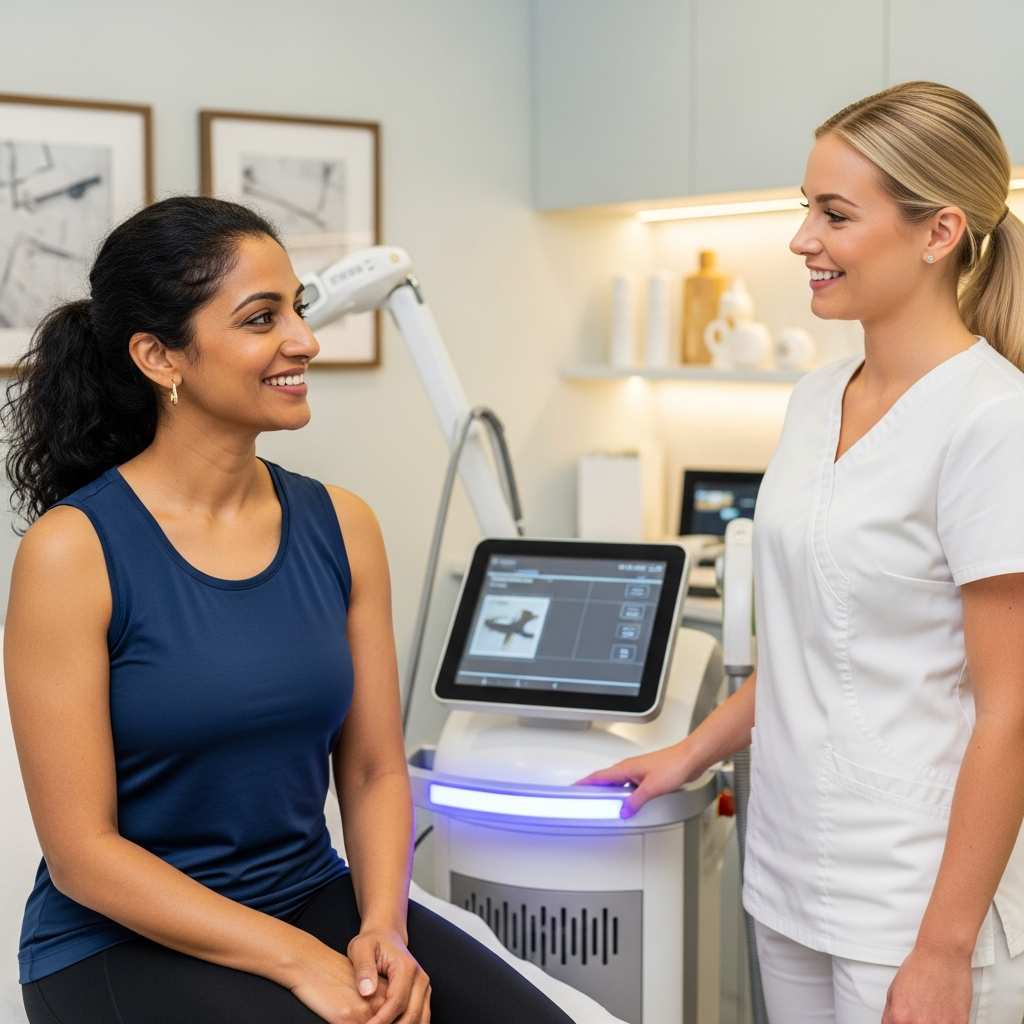
You know that moment when you catch your reflection in your car’s rearview mirror and think, “When did those lines show up?” Or maybe it’s the bathroom lighting at work that seems designed specifically to highlight every imperfection on your face. Trust me – we’ve all been there, squinting at ourselves and wondering if there’s something… anything… that could help without requiring a complete lifestyle overhaul or breaking the bank.
Here’s the thing about living in Lincoln – we’re practical people. We want results, but we also want treatments that make sense. We don’t need the flashiest procedure or the trendiest treatment du jour. We need something that actually works, fits into our real lives, and doesn’t leave us looking like we got into a fight with a raccoon.
That’s exactly why microneedling has become such a phenomenon at med spas across Lincoln. It’s not because it’s trendy (though it is), and it’s not because celebrities are doing it (though they are). It’s because it delivers the kind of subtle, natural-looking improvements that make you look like… well, like the best version of yourself.
I’ll be honest – when I first heard about microneedling, my initial reaction was somewhere between skeptical and slightly horrified. Rolling tiny needles across my face? Really? It sounds like something a medieval torture enthusiast might have dreamed up. But here’s what changed my mind: the science behind it is surprisingly straightforward, and the results speak for themselves.
Think about it this way – your skin is incredibly smart. It knows how to heal itself, how to rebuild, how to create fresh, healthy tissue. The problem is, as we get older (or deal with stress, sun damage, hormonal changes – basically, life), our skin gets a little… lazy. It needs a wake-up call. Microneedling is essentially that gentle nudge that says, “Hey, remember how to make collagen? Remember how to look plump and smooth and radiant? Yeah, let’s do that again.”
What makes this particularly relevant for us here in Nebraska is that we deal with some serious environmental challenges. Our winters are harsh – that dry air and bitter cold can wreak havoc on skin. Our summers bring intense sun exposure. And let’s not forget about all that wind… it’s like nature designed the perfect storm for premature aging and skin damage.
But here’s where it gets interesting. While you might assume that a treatment involving needles would be intense, expensive, or require significant downtime, microneedling is surprisingly accessible. We’re talking about a lunch-break procedure that can address multiple concerns at once – fine lines, acne scars, uneven texture, enlarged pores, dullness… the works.
The reason Lincoln’s med spas are seeing such demand for this treatment isn’t just because it works (though it absolutely does). It’s because it fits our lifestyle. You’re not going to be out of commission for weeks. You’re not going to need to explain to your coworkers why half your face is bandaged. You might look a little pink for a day or two – think mild sunburn – and then you’re good to go.
Over the next few minutes, we’re going to explore exactly why this treatment has become such a standout option at med spas throughout Lincoln. We’ll talk about the specific benefits you can expect, why the timing might be perfect for you right now, and what the actual experience is like (spoiler alert: it’s not nearly as scary as it sounds).
We’ll also dig into some practical considerations – like cost, what to expect during recovery, and how to know if you’re a good candidate. Because while microneedling works well for most people, it’s not necessarily right for everyone, and I believe in giving you the full picture.
By the time we’re done, you’ll have a clear understanding of whether this could be the solution you’ve been looking for – that middle ground between doing nothing and going under the knife. Sometimes the best answers are surprisingly simple… even when they involve tiny needles.
What Exactly Is Microneedling, Anyway?
You know how sometimes the best solutions sound completely backwards at first? Microneedling is one of those things. The idea is pretty simple – we’re going to poke thousands of tiny holes in your face… to make it look better. I know, I know – it sounds like something a medieval doctor would suggest.
But here’s the thing (and this is where it gets fascinating) – your skin is actually incredibly smart. When those microscopic needles create controlled micro-injuries, your skin doesn’t panic. Instead, it goes into what I like to call “fix-it mode.” Think of it like accidentally knocking a small hole in your drywall – you don’t just leave it there, right? You patch it up, sand it smooth, maybe even make that spot stronger than before.
That’s essentially what’s happening with microneedling, except instead of spackle, your skin uses fresh collagen and elastin. Those are the proteins that keep your skin plump, smooth, and bouncy – like a really good mattress that springs back when you press on it.
The Science Behind the Magic (Don’t Worry, I’ll Keep It Simple)
The technical term for what happens is “controlled wound healing,” which honestly sounds more dramatic than it actually is. We’re talking about punctures so small you can barely see them – think more like pinpricks than actual wounds.
Here’s where it gets really clever though… Your skin has this amazing ability to rebuild itself stronger than before. It’s like when you tear a muscle fiber during exercise – it heals back a little bit tougher. Except with microneedling, we’re triggering this response deliberately and precisely.
The needles typically range from 0.25mm to 2.5mm deep, depending on what we’re trying to accomplish. The shallower depths work great for overall texture and glow – kind of like giving your skin a gentle wake-up call. The deeper treatments? Those are for more serious concerns like acne scarring or deeper wrinkles.
Why Your Face Responds So Well to This Treatment
Your facial skin is actually quite different from the skin on, say, your arms or legs. It’s thinner, more delicate, and – this is key – it has a much richer blood supply. All those tiny capillaries mean nutrients and healing factors can rush to the treatment area quickly.
It’s like the difference between trying to water a thick, compacted lawn versus a well-aerated garden bed. The facial skin just… responds better. Heals faster. Shows results more dramatically.
Plus, your face is constantly exposed to environmental damage – sun, pollution, that harsh winter wind we get here in Nebraska. So when you give it a chance to basically hit the reset button through microneedling, the improvement can be pretty remarkable.
What Actually Happens During Treatment
I’ll be honest – the first time someone explained microneedling to me, I pictured something medieval and terrifying. The reality is much more civilized. Most people describe the sensation as somewhere between a light sandpaper feeling and gentle static electricity. Not exactly comfortable, but not the torture chamber you might imagine either.
We typically apply a numbing cream beforehand (because we’re not monsters), and the actual treatment usually takes about 30-45 minutes. Your skin will look a bit pink afterward – think mild sunburn rather than lobster – and that usually fades within a day or two.
The interesting part is that the real magic happens over the following weeks. Your skin starts producing new collagen, which takes time. It’s not like Botox where you see results in a few days. This is more like… planting a garden. You do the work now, and the beautiful results unfold gradually.
Different Types of Microneedling
Not all microneedling is created equal, and this is where things can get a little confusing. You’ve got your basic at-home derma rollers (which are fine for maintenance, I guess), and then you’ve got professional-grade treatments that are in a completely different league.
The professional devices can adjust needle depth precisely, maintain sterile conditions, and often combine microneedling with other treatments. Some add radiofrequency energy, others incorporate serums or PRP (that’s platelet-rich plasma – basically using your own blood’s healing factors). It’s like comparing a basic hammer to a precision power tool – they might look similar, but the results? Not even close.
Getting the Most Bang for Your Buck
Here’s something most people don’t realize – timing your microneedling sessions can actually save you money. Spring and fall are typically when med spas run their best promotions because it’s the sweet spot before summer skin prep and after vacation recovery. I’ve seen packages drop by 20-30% during these windows.
And here’s a little insider tip: ask about becoming a “model” for training sessions. Established practitioners often need volunteers when training new staff, and you’ll get the same quality treatment (under close supervision) at a fraction of the cost. Just make sure it’s at a reputable clinic – you don’t want to be someone’s very first attempt.
The Pre-Treatment Game Plan That Actually Matters
Your aesthetician will give you the standard prep list, but let me share what really makes a difference. About a week before your appointment, start taking vitamin C supplements if you don’t already. Not the megadoses – just 1000mg daily. Your skin needs this to build collagen properly, and most of us are running on fumes.
Stop using retinoids three days before, not just the night before. I know, I know – you don’t want to lose momentum on your skincare routine, but trust me on this one. Your skin needs to be in a calm state, not already irritated from active ingredients.
Here’s something they might not mention: avoid intense workouts 24 hours before. When your circulation is already ramped up from exercise, the needling can cause more swelling than necessary. Save the HIIT class for next week.
What to Actually Expect During Treatment
The numbing cream is your friend, but it’s not magic. You’ll still feel… something. Think of it like a vibrating sensation mixed with light scratching. Some areas are more sensitive – around the eyes and upper lip tend to be the “spiciest,” as one of my clients puts it.
The whole thing typically takes 30-45 minutes, but don’t be surprised if you’re there longer for your first session. Good practitioners take time to assess your skin and adjust the needle depth as they go. Your forehead might need different settings than your cheeks.
The Recovery Reality Check (And How to Hack It)
That “minimal downtime” promise? It’s… flexible. Yes, you can technically go back to work the next day, but you’re going to look like you have a mild sunburn for 2-3 days. Plan accordingly.
Here’s my favorite recovery hack that nobody talks about: silk pillowcases. Not because they’re fancy, but because the smooth surface reduces friction on your healing skin. Cotton can tug and irritate those tiny wounds as you toss and turn.
Ice is tempting when your face feels tight and warm, but resist the urge. Cool (not cold) water compresses are better – they soothe without shocking your newly stimulated skin.
The Products That Actually Help vs. Marketing Hype
Your clinic will probably try to sell you a recovery kit. Some of these are genuinely helpful… others are overpriced basics in fancy packaging. Here’s what’s actually worth your money
A gentle, fragrance-free cleanser (CeraVe Hydrating works just fine), a basic hyaluronic acid serum, and a zinc-based sunscreen. That’s it for the first week. Save the growth factor serums and fancy peptides for after your skin has settled down.
One product that’s surprisingly helpful? Aquaphor. Yeah, the stuff you probably have in your medicine cabinet. A thin layer overnight helps lock in moisture without clogging pores.
Maximizing Your Results Long-Term
This is where most people drop the ball – they get one treatment and expect miracles. Microneedling works best as a series, typically 3-4 sessions spaced about a month apart. Think of it like working out; one gym session won’t transform your body, and one microneedling treatment won’t completely resurface your skin.
Between sessions, consistency beats intensity. That vitamin C I mentioned earlier? Keep taking it. Add in a gentle retinol (start with twice a week) about two weeks after each treatment. Your skin is in repair mode – give it the building blocks it needs.
The real magic happens around month three. That’s when people start asking if you’ve done something different. Just smile mysteriously and maybe… don’t tell them how simple it actually was.
The Elephant in the Room: It Actually Hurts
Let’s be real – despite what some practitioners might tell you, microneedling isn’t exactly a day at the spa. Those tiny needles? They’re still needles. You’re going to feel them, especially around sensitive areas like your forehead and cheeks.
The good news is that most Lincoln med spas use topical numbing cream about 30 minutes before treatment. It helps… but you’ll still feel pressure and some discomfort. Think of it like getting a tattoo’s gentler cousin – noticeable but totally manageable. Some people describe it as sandpaper being dragged across their skin, which sounds worse than it actually feels.
Here’s what actually works: take an ibuprofen about an hour beforehand (if you’re cleared to do so), and practice some deep breathing during the treatment. Also – and this might sound weird – don’t tense up. I know, easier said than done when someone’s rolling needles across your face, but staying relaxed genuinely makes it more comfortable.
Your Face Will Look Like You Got in a Fight (Temporarily)
Nobody talks about this enough, but you’re going to look rough for a few days. We’re talking red, slightly swollen, maybe some pinpoint bleeding right after treatment. By day two or three, you might look sunburned. It’s completely normal, but it can be shocking if you’re not prepared.
The trick is planning around this reality. Don’t book microneedling the week before your daughter’s wedding or that important presentation. Give yourself at least 3-5 days when you can lay low or work from home if needed.
Stock up on gentle, fragrance-free moisturizer beforehand – your skin is going to be thirsty. And here’s something most people don’t think about: sleep on clean pillowcases for the first few nights. Your skin is essentially wounded (in a good way), so keep everything that touches your face super clean.
The Price Tag Adds Up Faster Than You Think
Here’s where things get tricky. One microneedling session costs anywhere from $150-400 in Lincoln, depending on where you go and what add-ons they include. But here’s the kicker – you need multiple sessions. Usually 3-6 treatments spaced about a month apart for optimal results.
Do the math and… ouch. We’re potentially looking at $1,200-2,400 for a full series. That’s not pocket change for most of us.
The solution? Be strategic about it. Many med spas offer package deals that bring the per-session cost down significantly. Some places also run seasonal promotions – I’ve seen Black Friday deals that are genuinely worth waiting for. Don’t be shy about asking if they have payment plans either. Many clinics would rather work with you than lose your business entirely.
Also, consider this: if microneedling helps you feel confident enough to skip expensive foundation or reduces your need for other treatments, it might balance out over time. I’m not saying it’s cheap, but sometimes the math works better than it initially appears.
Expectations vs. Reality: The Waiting Game
This is probably the hardest part – microneedling is a slow burn, not instant gratification. You might see some immediate glow from increased circulation, but real changes take weeks to months. Your skin needs time to produce new collagen, and that process is… well, slow.
I’ve seen people get discouraged after their second session because they’re not seeing dramatic changes yet. The truth is, you’re playing the long game here. Results typically become noticeable around the 6-8 week mark after your first treatment, with continued improvement over several months.
Keep progress photos on your phone – seriously. Take them in the same lighting, same angle, once a week. You’ll be amazed at changes you can’t see day-to-day but that show up clearly over time.
Finding the Right Provider Isn’t as Easy as It Looks
Lincoln has tons of places offering microneedling now, but they’re definitely not all created equal. Some use outdated equipment, others rush through treatments, and a few… well, let’s just say their “certified” staff might have gotten their training from a weekend workshop.
Do your homework. Look for providers who use FDA-approved devices (like SkinPen), ask about their training credentials, and don’t be afraid to schedule consultations at multiple places. A good provider will never pressure you to book on the spot – they want you to feel confident in your choice too.
Trust your gut. If something feels off during your consultation, listen to that instinct.
What You Can Really Expect (And When)
Look, I’m going to be straight with you – microneedling isn’t a magic wand. You won’t walk out looking like you’ve had a full face transplant, and anyone who tells you otherwise is probably trying to sell you something.
Here’s the reality: after your first session, you might look like you’ve got a mild sunburn. That’s completely normal, by the way. We’re literally creating thousands of tiny controlled injuries in your skin – it’s supposed to be a little pink and maybe slightly swollen for 24-48 hours. Some people describe it as feeling tight, like you’ve spent too much time at the beach without sunscreen.
The real magic? That happens behind the scenes over the next few weeks. Your skin is basically in overdrive, producing new collagen and elastin. Think of it like renovating a house – first you have to tear out the old stuff before you can see the beautiful results.
Most people start noticing subtle improvements around week 3 or 4. Your skin might look… clearer somehow. Maybe that rough texture you’ve been dealing with starts smoothing out. Fine lines begin to soften – not disappear entirely (let’s be realistic here), but definitely look less pronounced.
The Timeline That Actually Makes Sense
If you’re hoping for dramatic results after one treatment, we need to have a little heart-to-heart. Microneedling works best as a series – typically 3-6 sessions spaced about 4-6 weeks apart, depending on what we’re targeting.
For basic skin rejuvenation and mild texture issues, three sessions often do the trick. But if we’re tackling deeper acne scars or more significant sun damage… well, that’s more of a marathon than a sprint. Six sessions isn’t uncommon, and honestly? Some people become such fans that they do maintenance treatments every few months.
The sweet spot for seeing your best results is usually 2-3 months after completing your series. I know, I know – patience isn’t exactly our strong suit in the instant-gratification world we live in. But your skin needs time to rebuild itself properly.
Actually, that reminds me of something important – the improvements continue for months after your last treatment. Your skin keeps producing new collagen for up to six months post-treatment. It’s like planting a garden; you don’t see the full bloom immediately, but when you do…
Planning Your Sessions (Because Life Happens)
Here’s where we get practical. If you’ve got a wedding, reunion, or important event coming up, don’t schedule microneedling the week before. Give yourself at least two weeks minimum – preferably a month – between your last treatment and any big events.
The downtime is manageable for most people (we’re talking 1-3 days of looking slightly flushed), but you never know how your skin will react to that first treatment. Some lucky folks bounce back in 24 hours looking glowy and refreshed. Others need a few extra days for the redness to completely fade.
We’ll typically schedule your sessions 4-6 weeks apart. This gives your skin enough time to complete its healing cycle and start producing that new collagen before we stimulate it again. Think of it like interval training – you need recovery time between intense sessions to see the best results.
The Maintenance Reality
Once you’ve completed your initial series, you’re not locked into treatments forever. But here’s the thing – your skin doesn’t stop aging just because you’ve had microneedling. Environmental damage, natural aging, hormonal changes… they’re all still happening.
Most people find that doing maintenance sessions every 3-6 months helps them maintain their results. It’s not mandatory, but it’s like going to the gym – consistency pays off in the long run.
What We’ll Monitor Together
Throughout your treatment series, we’re keeping an eye on how your skin responds. Everyone’s different, and what works for your best friend might need tweaking for you. Maybe we need to adjust the needle depth, or perhaps your skin would benefit from combining microneedling with other treatments.
This isn’t a set-it-and-forget-it situation. We’re in this together, adjusting our approach based on how you’re healing and what results you’re seeing. Because at the end of the day, it’s about giving you skin you feel confident in – not checking boxes on a treatment protocol.
Ready to Take the Next Step?
You know what strikes me most about microneedling? It’s not just another trendy treatment that’ll be forgotten next year. This is one of those rare procedures that actually makes sense – your skin doing what it was designed to do, just with a little help getting started.
And honestly, after seeing so many people transform not just their skin but their confidence… it never gets old. There’s something magical about watching someone catch their reflection and actually smile instead of immediately spotting every flaw. That’s what happens when you finally find something that works.
Look, I get it if you’re sitting there thinking, “This sounds great, but is it really for me?” Maybe you’ve tried everything from drugstore creams to expensive serums that promised miracles and delivered… well, not much. Maybe you’re worried about pain, or downtime, or whether your skin is too sensitive, too damaged, or somehow wrong for this kind of treatment.
Here’s the thing – and I mean this genuinely – those concerns? Totally valid. Actually, they’re exactly the kinds of questions you should be asking. The practitioners here in Lincoln who really know their stuff… they want to hear those worries. They want to look at your actual skin, understand your actual life (because let’s be honest, not everyone can hide away for a week), and create something that actually fits.
You don’t have to figure this out alone. You don’t have to keep wondering if there’s something out there that might finally work. Sometimes the hardest part is just making that first call – but once you do? Everything else starts falling into place.
The consultation isn’t about pressure or sales pitches. It’s about answers. Real ones. About whether microneedling makes sense for your skin type, your concerns, your schedule. About what realistic results look like (not Instagram filter perfection, but genuine improvement). About costs, timing, what to expect… all those practical things that actually matter when you’re making decisions about your health and your wallet.
I think what I love most about this whole process is how individual it becomes. Your skin isn’t like anyone else’s – it shouldn’t be treated like it is. The best practitioners here understand that. They’re not trying to fit you into some cookie-cutter treatment plan. They’re looking at you, listening to you, and figuring out what actually makes sense.
Your skin has been with you through everything – late nights, stress, sun damage, hormones, life. It deserves care from someone who understands not just the science behind microneedling, but the person attached to that skin. Someone who gets that this isn’t vanity – it’s about feeling comfortable in your own body again.
So if you’re curious… if you’re tired of wondering “what if”… maybe it’s time for that conversation. Not because you have to, but because you deserve to know what’s possible. Your future self might just thank you for making that call.
Ready to explore your options? Reach out to schedule a consultation. No pressure, no commitment – just honest answers about what microneedling could mean for your skin. You’ve got questions; they’ve got expertise. Sometimes that’s exactly where good things begin.