
Stay Healthy This Summer: Tips for Sun Safety and Hydration
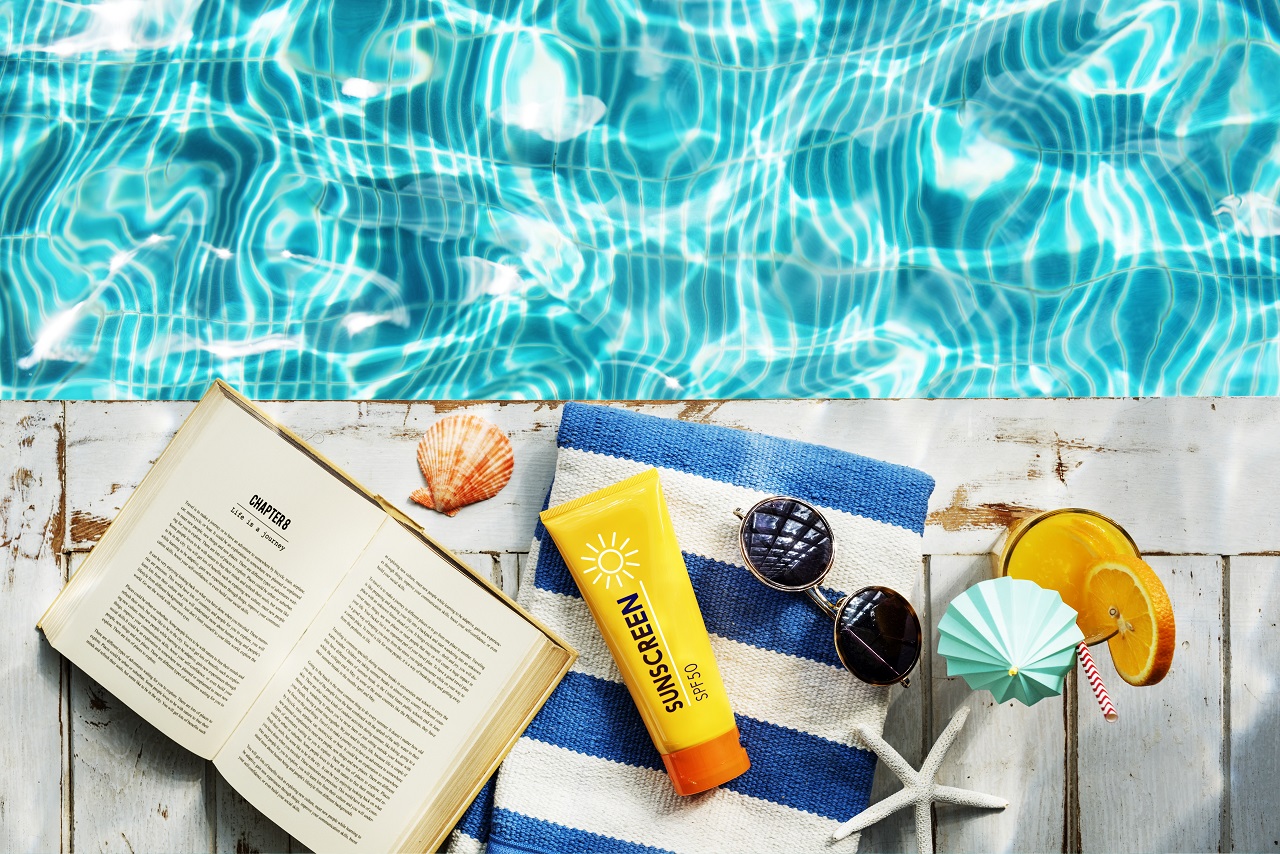
Sunscreen Sunglasses Towel Book Recess Relax Concept
Summer is the perfect season for beach trips, outdoor walks, family vacations, and soaking up a little sunshine. While enjoying the warmer weather can be great for your mood and overall well-being, spending too much time in the heat without proper protection can take a toll on your health. From dehydration to sunburn, summer-related health concerns are more common than many people realize.
The good news is that a few simple habits can help you stay safe, hydrated, and feeling your best all season long.
Why Sun Safety Matters
Sunlight provides vitamin D and can help support a healthy sleep and mood cycle. However, too much ultraviolet (UV) exposure may damage the skin and increase the risk of premature aging, sunburn, and skin cancer over time. Even on cloudy days, UV rays can still affect your skin. This is why daily sun protection
is important, not just during beach outings or vacations.
Simple Ways to Protect Your Skin
1. Wear Sunscreen Every Day
Choose a broad-spectrum sunscreen with at least SPF 30. Apply it generously to exposed skin about 15 minutes before going outside. Reapply every two hours, especially if you are swimming or sweating.
Do not forget commonly missed areas like:
● Ears
● Neck
● Hands
● Lips
● Tops of the feet
2. Seek Shade During Peak Hours
The sun’s rays are usually strongest between 10 a.m. and 4 p.m. If possible, plan outdoor activities earlier in the morning or later in the afternoon.
3. Wear Protective Clothing
Lightweight long sleeves, sunglasses with UV protection, and wide-brimmed hats can provide additional defense against sun exposure while keeping you comfortable
outdoors.
Staying Hydrated During Hot Weather
Your body naturally loses more fluids during warmer temperatures, especially when you are active outdoors. Dehydration can lead to headaches, dizziness, fatigue, dry skin, and even heat exhaustion if left unaddressed.
Signs You May Need More Fluids
Watch for these common signs of dehydration:
● Dry mouth
● Dark yellow urine
● Feeling tired or lightheaded
● Muscle cramps
● Increased thirst
Easy Hydration Tips
- Drink Water Consistently
- Do not wait until you feel thirsty. Carry a reusable water bottle and sip water throughout the day.
- Eat Water-Rich Foods
Many fruits and vegetables can help support hydration, including:
● Watermelon
● Cucumbers
● Strawberries
● Oranges
● Lettuce
Limit Sugary and Alcoholic Drinks
While refreshing in the moment, sugary beverages and alcohol may contribute to dehydration when consumed in excess.
Replace Electrolytes When Needed
If you are sweating heavily from exercise or outdoor activities, consider drinks or foods that help replenish electrolytes, especially potassium and sodium.
Extra Summer Wellness Tips
- Protect Your Skin After Sun Exposure
- After spending time outdoors, use a gentle moisturizer or aloe-based product to help soothe and hydrate the skin.
- Keep Children and Older Adults Hydrated
- Children and older adults may be more vulnerable to heat-related illnesses, so regular hydration and cooling breaks are especially important.
Listen to Your Body
If you begin feeling dizzy, nauseated, weak, or overheated, move to a cool area immediately and hydrate. Persistent symptoms should be evaluated by a healthcare provider.
Enjoy Summer Safely
Summer should be a season of fun, movement, and making memories. With mindful sun protection and proper hydration, you can enjoy the outdoors while supporting your overall health and wellness. A little prevention goes a long way when it comes to feeling your best under the summer sun.
References
American Academy of Dermatology Association. (n.d.). How to prevent and treat
sunburn. https://www.aad.org
Centers for Disease Control and Prevention. (2024). Heat and your health.
https://www.cdc.gov/extreme-heat/about/index.html
Mayo Clinic Staff. (2023). Dehydration: Symptoms and causes. Mayo Clinic.
https://www.mayoclinic.org
World Health Organization. (2023). Ultraviolet radiation and the INTERSUN
Programme.https://www.who.int/teams/environment-climate-change-and-health/radiation-and-health/
non-ionizing/uv-radiation