
Advanced Microneedling Treatments for Smoother Skin in Friend, NE
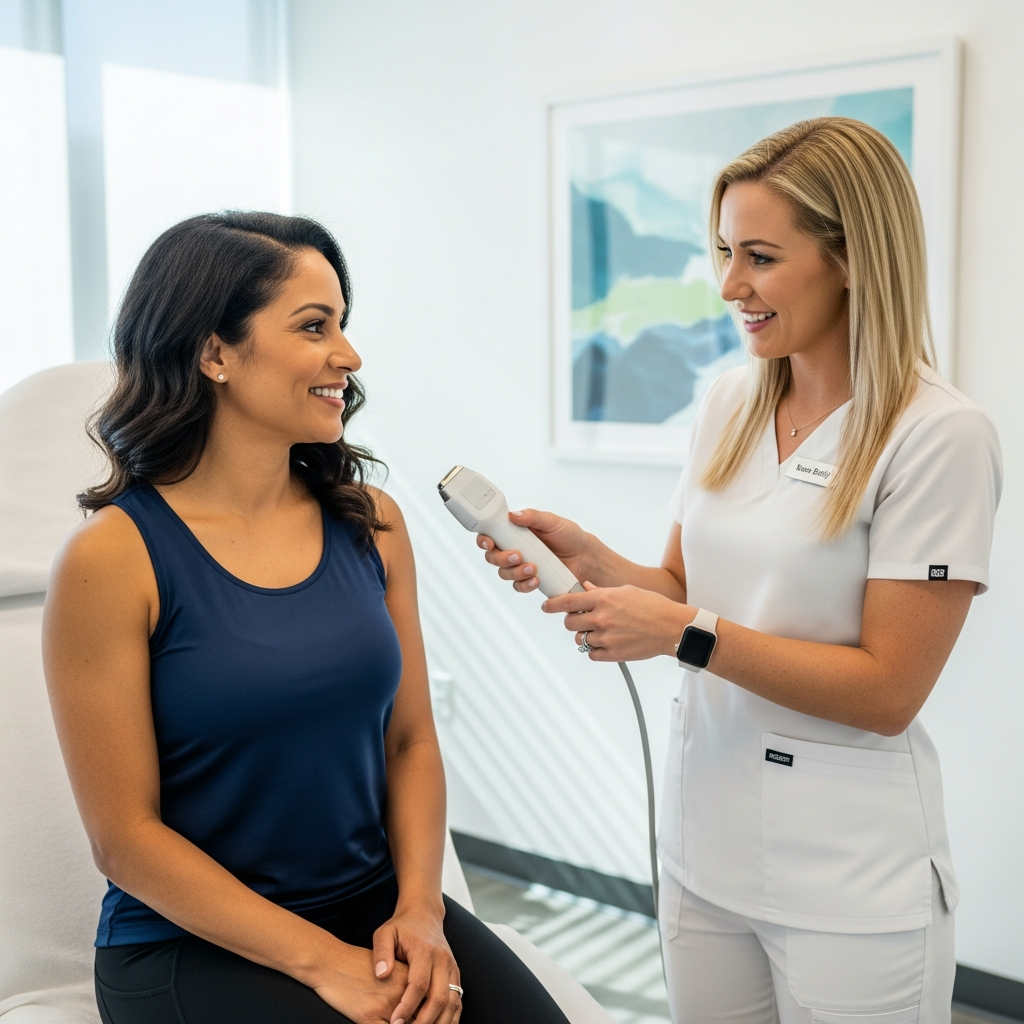
You catch your reflection in the bathroom mirror during your morning routine, and there it is again – that moment of pause. Your fingers instinctively trace those fine lines around your eyes, the slight texture changes across your cheeks, maybe some lingering reminders of teenage acne that just won’t seem to fade completely. You’ve tried the expensive serums (how many half-empty bottles are cluttering your medicine cabinet right now?), experimented with different moisturizers, maybe even splurged on that fancy LED mask your sister swore would change everything.
But here’s the thing – and I’m betting you know this already – sometimes our skin needs more than what we can give it at home. Sometimes it needs a little… professional intervention.
That’s where microneedling comes in, and honestly? It’s one of those treatments that sounds way more intimidating than it actually is. I mean, the name alone makes people wince a little, right? But stick with me here, because what we’re talking about isn’t some medieval torture device – it’s actually one of the most elegant solutions for skin texture, tone, and overall glow that we have available today.
Think of your skin like a garden that’s gotten a bit neglected. You can water it and add fertilizer all you want from the surface, but sometimes you need to aerate the soil – create those tiny pathways that let all the good stuff actually penetrate down to where it can do real work. That’s essentially what microneedling does, except instead of soil, we’re talking about your skin’s deeper layers where collagen production happens… where real change begins.
Now, I know what you might be thinking. You’ve probably heard whispers about microneedling from friends, seen those dramatic before-and-after photos on social media (some of which, let’s be honest, look almost too good to be true), or maybe you’ve done some late-night googling that left you with more questions than answers. The internet can be a wild place when it comes to skincare information – half the time you’re not sure if you’re reading legitimate medical advice or someone’s beauty blog from 2015.
Here in Friend, NE, we’re fortunate to have access to some seriously advanced microneedling treatments that go way beyond what you might find at your typical day spa. We’re talking about professional-grade procedures that combine traditional microneedling with cutting-edge technologies – things like radiofrequency, platelet-rich plasma (that’s the famous “vampire facial” you’ve heard about), and targeted serums that are practically custom-designed for your specific skin concerns.
The really exciting part? These aren’t just temporary fixes. Unlike that expensive face cream that might give you a nice glow for a few hours, microneedling actually works with your skin’s natural healing processes to create lasting changes. Your body starts producing more collagen – think of it as your skin’s structural scaffolding – which means improvements that build over time rather than wash off with your evening cleanser.
But let’s get real for a second. You’re probably wondering about the practical stuff, right? Does it hurt? (Less than you’d expect, honestly.) How long does it take? What’s the downtime like? Can you still go to your book club meeting the next day, or are we talking about hiding indoors for a week? And perhaps most importantly – what kind of results can you actually expect, and how long before you start seeing them?
I get it. You’ve been burned before by treatments that promised the moon and delivered… well, let’s just say significantly less than the moon. You want to know if this is actually going to be worth your time and investment, especially when there are so many other options out there competing for your attention (and your wallet).
That’s exactly what we’re going to explore together. We’ll walk through everything from the science behind why microneedling works – and I promise to explain it in normal human terms, not medical textbook speak – to what you can realistically expect during and after treatment. We’ll talk about who’s a good candidate (spoiler alert: it’s probably more people than you’d think), what the different types of advanced microneedling can accomplish, and yes, we’ll definitely cover the practical details that actually matter to your daily life.
What Exactly Is Microneedling Anyway?
Okay, so here’s the thing about microneedling – it sounds absolutely terrifying at first, right? I mean, who wants tiny needles poking holes in their face? But stick with me here, because it’s actually one of those treatments that makes perfect sense once you understand what’s happening.
Think of your skin like an old fence that’s gotten weathered over the years. The paint is chipping, the wood looks a bit rough, and it’s just… tired. Now, you could slap a fresh coat of paint over everything, but that’s just covering up the problem. Microneedling is more like gently sanding that fence first – creating the perfect surface for renewal to happen naturally.
The process uses these incredibly fine needles (we’re talking thinner than your hair) to create controlled micro-injuries in your skin. I know, I know – “controlled injury” doesn’t exactly sound like a spa day. But your skin is remarkably smart. When it detects these tiny pinpricks, it immediately goes into repair mode, ramping up collagen and elastin production like crazy.
Why Your Skin Actually Loves This “Damage”
Here’s where it gets counterintuitive – and honestly, this confused me when I first learned about it too. We spend so much time trying to protect our skin from damage, and then we’re deliberately creating micro-wounds? It seems backwards.
But think about it like working out. When you do strength training, you’re actually creating tiny tears in your muscle fibers. Sounds bad, right? Except those micro-tears heal back stronger than before. Your skin works the same way – those microscopic channels trigger your body’s natural healing response, which brings fresh blood flow, new collagen, and cellular regeneration to the area.
The beauty is that we’re working *with* your body’s natural processes, not against them. Unlike some more aggressive treatments that essentially force change, microneedling is like giving your skin a gentle nudge and saying, “Hey, remember how to be young and bouncy? Let’s do that again.”
The Science Behind the Magic
Your skin has this amazing ability to repair itself, but as we age – and let’s be honest, as we accumulate sun damage, stress, and just… life – that repair process slows way down. Collagen production drops by about 1% each year after age 20. That’s like your skin’s support structure slowly deflating, one tiny bit at a time.
Microneedling essentially hits the reset button on this process. Those tiny needles create channels that do two things: first, they trigger that healing response we talked about. Second, they create temporary pathways that allow serums and treatments to penetrate much deeper than they normally could.
It’s like turning your skin into a super-efficient delivery system. That expensive vitamin C serum you’ve been using? Instead of just sitting on top of your skin looking pretty, it can actually dive down where it’ll do some real work.
Advanced vs. Basic Treatments
Now, here’s where things get interesting – and where you might want to pay attention if you’re considering this in Friend. Not all microneedling is created equal, and the “advanced” part isn’t just marketing speak.
Basic microneedling might use needles that are all the same length, going to a uniform depth across your entire face. It’s like mowing your lawn with the same setting everywhere – functional, but not particularly sophisticated.
Advanced treatments use variable needle depths, adjusting for different areas of your face and different skin concerns. Your delicate under-eye area needs a much gentler approach than, say, acne scars on your cheeks. Some systems can even adjust the needle depth and pattern in real-time based on what your skin needs in that exact spot.
Plus, advanced treatments often incorporate additional technologies – things like radiofrequency energy or LED therapy – that can amplify the results. It’s like the difference between a basic tune-up and a complete engine overhaul… though thankfully, much more comfortable than that analogy suggests.
The whole process typically takes about 30-45 minutes, and while you might look a bit pink afterwards (think mild sunburn), most people are back to their regular routine within a day or two. Not bad for literally rebuilding your skin from the inside out, right?
What to Expect During Your First Session (And Why It’s Nothing Like What You’ve Imagined)
You know that scene in movies where someone gets a facial and they’re completely zen? Well… microneedling isn’t exactly that. But here’s the thing – it’s not nearly as intense as your mind is probably making it out to be either.
Most people walk in expecting something between medieval torture and a bee attack. The reality? It feels more like a sandpaper massage. Sure, there’s some discomfort, but we’re talking about tiny needles here – not construction equipment. Your practitioner will apply a numbing cream about 20 minutes before starting, which honestly does most of the heavy lifting when it comes to comfort.
The whole process takes maybe 30-45 minutes, depending on what areas you’re treating. And here’s something nobody tells you: the sound is probably the weirdest part. It’s like a tiny electric toothbrush buzzing across your face. Some people find it oddly relaxing… others, not so much.
The Real Recovery Timeline (Because “Minimal Downtime” Is Relative)
Let’s talk about what “minimal downtime” actually means – because I’ve seen too many people plan their treatments the day before their high school reunion, thinking they’ll be glowing and gorgeous.
Day one: Your face will look sunburned. Not lobster-red, but definitely flushed. Think “spent too long at the beach without realizing it” pink. You might have some pinpoint bleeding – totally normal, but startling if you’re not expecting it.
Days 2-3: This is when the peeling starts. And I mean *real* peeling – like tiny flakes of skin coming off when you wash your face. Don’t panic, and whatever you do, don’t pick at it. I know it’s tempting, but resist the urge.
By day 4-5: Most of the obvious signs are gone, but your skin might still feel tight or slightly sensitive. This is actually when people start noticing the good stuff – that subtle glow that makes people ask if you’ve been on vacation.
Here’s my insider tip: schedule your treatment on a Thursday if possible. That gives you the weekend to hide out if needed, but you’ll likely be presentable for work by Monday.
Maximizing Your Results Between Sessions
The magic doesn’t just happen during the 45 minutes you’re in the chair – what you do afterward matters just as much. Think of it like planting seeds; microneedling creates the perfect conditions, but you need to nurture the growth.
Hydration becomes your best friend. I’m talking about slathering on hyaluronic acid serums like your skin depends on it (because… it kind of does). Your skin is essentially rebuilding itself, and it needs all the moisture it can get. Pro tip: apply serums to slightly damp skin – it helps with absorption.
Sleep quality matters more than you’d think. Your skin does most of its repair work while you’re sleeping, so those Netflix marathons until 2 AM? Maybe save them for non-treatment weeks.
And here’s something that might surprise you – gentle massage actually helps. About a week after treatment, when your skin has settled down, light circular motions with your fingertips can boost circulation and help with product absorption. Just keep it gentle… we’re not kneading bread here.
Warning Signs You Shouldn’t Ignore
Most people sail through microneedling recovery without any issues, but sometimes things go sideways. Here’s when you should pick up the phone and call your provider
If your skin is still bright red after 48 hours – that’s not normal healing, that’s irritation. Same goes for any signs of infection: increased warmth, pus, or red streaks radiating from treated areas.
Excessive swelling is another red flag. A little puffiness? Expected. Looking like you went three rounds with a bee hive? Time to check in with your practitioner.
Planning Your Treatment Schedule
Here’s the thing about microneedling – one session is like doing one push-up and expecting biceps. The real benefits come from a series, typically spaced 4-6 weeks apart. Most people need 3-4 sessions to see the dramatic improvements they’re hoping for.
But here’s what I wish someone had told me: don’t book them all at once. Do your first treatment, see how your skin responds, then plan the next one. Every person’s skin is different, and what works for your friend might not be the perfect protocol for you.
The best part? Results keep improving for months after your last session as your skin continues producing new collagen. It’s like a gift that keeps on giving… just with better timing.
When Your Skin Looks Worse Before It Looks Better
Let’s be honest – nobody warns you about the “zombie phase.” You know what I’m talking about if you’ve done microneedling before. You walk out thinking you’ll wake up glowing, but instead you look like you got into a fight with a very small, very angry porcupine.
This is completely normal, by the way. Your skin is literally healing from thousands of tiny controlled injuries. The redness, the slight swelling, that weird tight feeling – it’s all part of the process. But here’s what actually helps: keep your expectations realistic for the first 48-72 hours. Plan your treatment for a Thursday or Friday if you work weekends, or vice versa.
And please, resist the urge to pile on makeup to “fix” things. I get it – you want to look presentable. But your skin needs to breathe right now. A good zinc oxide sunscreen and maybe some tinted moisturizer if you absolutely must… that’s it.
The Scheduling Nightmare (And How to Actually Stick to It)
Here’s something they don’t tell you – microneedling isn’t a one-and-done situation. You’re looking at a series of treatments, usually spaced 4-6 weeks apart. Sounds simple enough, right?
Wrong. Life happens. Your cousin’s wedding pops up. Work gets crazy. Suddenly you’re three months out from your last treatment wondering if you’ve “lost progress.”
The solution isn’t to be perfect – it’s to be consistent enough. If you miss your ideal window, don’t throw in the towel. Even if you end up spacing treatments 8-10 weeks apart, you’re still moving forward. The key is communication with your provider. They can adjust the treatment plan based on your actual schedule, not some ideal calendar that exists only in brochures.
When Your Budget and Your Goals Don’t Match
This is the elephant in the room, isn’t it? Microneedling isn’t exactly pocket change, especially when you need multiple sessions. And if you’re combining it with other treatments – serums, PRP, radiofrequency – the numbers add up fast.
Here’s what actually works: be upfront about your budget from day one. A good provider will work with you to prioritize. Maybe you start with basic microneedling and add the bells and whistles later. Or you space treatments further apart to spread the cost. Some clinics offer package deals or payment plans – but you won’t know unless you ask.
And honestly? Sometimes it’s worth saving up for fewer, higher-quality treatments rather than cutting corners. That discount Groupon microneedling might seem tempting, but your face isn’t the place to bargain hunt.
The “My Friend Says” Problem
Oh boy, do we need to talk about this one. Your friend Sarah got amazing results from microneedling… but she also has completely different skin than you do. She’s 25 with minor acne scarring. You’re 45 dealing with sun damage and fine lines. Her “after two treatments, I looked like a baby!” story doesn’t translate to your situation.
This creates unrealistic expectations that set you up for disappointment. The solution? Tune out the testimonials (yes, even the ones on our website) and focus on what your provider tells you about YOUR skin. Ask to see before-and-after photos of people with similar concerns and skin types. Set goals based on your starting point, not someone else’s finish line.
The Home Care Confusion
After your treatment, you’ll get a list of do’s and don’ts that might as well be written in ancient Greek. No retinol for a week. Gentle cleansing only. But what exactly counts as “gentle”? And which products are okay?
Here’s what trips everyone up – the instructions are often too vague. Push for specifics. Ask your provider to write down actual product names you can use, not just categories. Get their phone number for follow-up questions, because you’ll have them.
And create a simple routine before your first treatment. Figure out what gentle cleanser and moisturizer work for you when your skin isn’t compromised. That way you’re not experimenting with new products when your skin is vulnerable.
The bottom line? Most microneedling “failures” aren’t actually failures – they’re mismatched expectations, poor planning, or inadequate aftercare. Address these upfront, and you’re already ahead of the game.
What to Expect After Your First Treatment
Let’s be honest – you’re probably wondering when you’ll start seeing results, and that’s totally normal. I get this question literally every day, and here’s the thing: microneedling isn’t like getting a haircut where you walk out looking dramatically different.
Right after your treatment, your skin is going to look… well, like you just had thousands of tiny needles poked into it. Because you did! You’ll be red – think mild sunburn – and this can last anywhere from a few hours to about three days, depending on how deep we went and how your skin typically responds. Some people bounce back in 24 hours, others need that full three-day recovery window.
You might notice some light peeling around day three or four. Don’t panic – this is actually a good sign that your skin is doing exactly what it’s supposed to do. It’s shedding those damaged surface cells to make room for the fresh, new ones we’ve stimulated.
The Real Timeline (Because I Won’t Sugarcoat It)
Here’s where I need to manage expectations – and trust me, I’d rather be upfront now than have you disappointed later. Most people start seeing subtle improvements around the 2-3 week mark. And I mean subtle. We’re talking about a slight improvement in texture, maybe your pores looking a tiny bit smaller.
The real magic? That happens around week 4-6 when your collagen production really kicks into high gear. This is when patients typically call me excited because their spouse noticed their skin looked different (honestly, sometimes the people closest to us notice changes before we do).
For significant results – the kind that make you want to cancel your foundation subscription – you’re looking at 3-4 treatments spaced about 4-6 weeks apart. I know, I know… that feels like forever when you want results yesterday. But here’s the thing about collagen: it’s like that friend who’s always fashionably late but worth waiting for.
Between Treatments: Your Skin’s Homework Phase
Think of the weeks between treatments as your skin doing homework. All that cellular repair and collagen building? It’s happening behind the scenes, even when you can’t see it yet.
During this time, you’ll want to baby your skin a bit. That means sunscreen is non-negotiable (and I mean every day, not just when you remember). Your skin is working hard to repair itself, and UV damage is basically like interrupting it mid-project.
Keep your routine simple – gentle cleanser, a good moisturizer, and maybe a vitamin C serum once your skin isn’t feeling sensitive anymore. This usually takes about a week. Actually, speaking of sensitivity… some people find their usual products sting a bit at first. That’s completely normal and temporary.
Planning Your Treatment Schedule
Most of my patients do best with treatments scheduled 4-6 weeks apart. Why the range? Well, everyone’s skin heals at its own pace. If you’re in your 20s with minimal sun damage, you might be ready in 4 weeks. If you’re dealing with more significant concerns or you’re a bit older (no judgment – we’ve all earned our wisdom lines), you might need that full 6 weeks between sessions.
I usually recommend starting with a series of three treatments to see how your skin responds. Some people are thrilled after three and decide they’re done. Others – especially those dealing with deeper scarring or significant sun damage – find they want to continue with additional treatments.
Maintenance: The Long Game
Here’s something most places won’t tell you upfront: microneedling isn’t a one-and-done situation. Your skin will continue aging (shocking, I know), and environmental damage keeps accumulating. Most people find they want a maintenance treatment every 6-12 months to keep their results looking fresh.
Think of it like going to the gym – you wouldn’t expect to work out for three months and stay fit forever, right? Your skin needs ongoing care too.
Managing Your Mental Game
The hardest part for most people isn’t the physical recovery – it’s the waiting. We live in an instant-everything world, and skincare just doesn’t work that way. I’ve found it helps to take progress photos (same lighting, same angle) because gradual changes are easy to miss day-to-day.
Remember, good skin is a marathon, not a sprint. And you’ve already taken the first step by choosing a treatment that actually works with your skin’s natural processes rather than against them.
You know what? After all this talk about microneedling, I hope you’re feeling a bit more confident about taking that next step. Because here’s the thing – your skin concerns are valid, and wanting to feel more comfortable in your own skin? That’s not vanity. That’s self-care.
Living in Friend, you’ve got access to some really excellent treatment options right in your backyard. And honestly… that matters more than you might think. There’s something to be said for building a relationship with practitioners who understand your lifestyle, your climate, and what works for people in our community.
The Real Talk About Results
I won’t sugarcoat it – microneedling isn’t a magic wand. You’re not going to wake up after one session looking like you’ve discovered the fountain of youth. But what you *will* notice is gradual, natural-looking improvement that builds over time. Kind of like how a good friendship develops, actually. Slow and steady, then one day you realize just how much has changed.
The fine lines start to soften. Those acne scars become less noticeable. Your skin texture smooths out, and that healthy glow everyone talks about? It starts showing up more consistently. Even better – because you’re stimulating your body’s own collagen production, the results keep improving for months after your treatments.
You Don’t Have to Figure This Out Alone
Look, I get it. Walking into a clinic and admitting you want help with your skin can feel… vulnerable. Maybe you’ve been dealing with these concerns for years, trying different products, wondering if anything will actually work. Or perhaps you’re just starting to notice changes and aren’t sure where to begin.
Either way, you’re not alone in this. The practitioners offering advanced microneedling treatments in Friend have seen it all – and more importantly, they’ve helped people just like you achieve the results they’re hoping for.
Your Skin Deserves Professional Care
Here’s what I want you to remember: you wouldn’t try to fix your car’s engine without the right tools and expertise, right? Your skin deserves that same level of professional attention. These advanced treatments require proper equipment, sterile technique, and someone who knows how to customize the approach for your specific needs.
The good news is that consultations are typically pressure-free. Most clinics want to understand your goals, assess your skin, and make sure microneedling is the right fit for you before moving forward. Think of it as a conversation, not a sales pitch.
So if you’ve been on the fence about this… maybe it’s time to make that call. Your future self – the one with smoother, more confident skin – might just thank you for it. And hey, the worst thing that happens is you get some professional insights about your skin and what options are available. The best thing? Well, that could be life-changing.
Ready to see what’s possible? Reach out to a local clinic and start that conversation. You’ve got nothing to lose and potentially a lot of confidence to gain.