
6 Reasons PDO Thread Lifts Are Growing in Popularity in Lincoln, NE
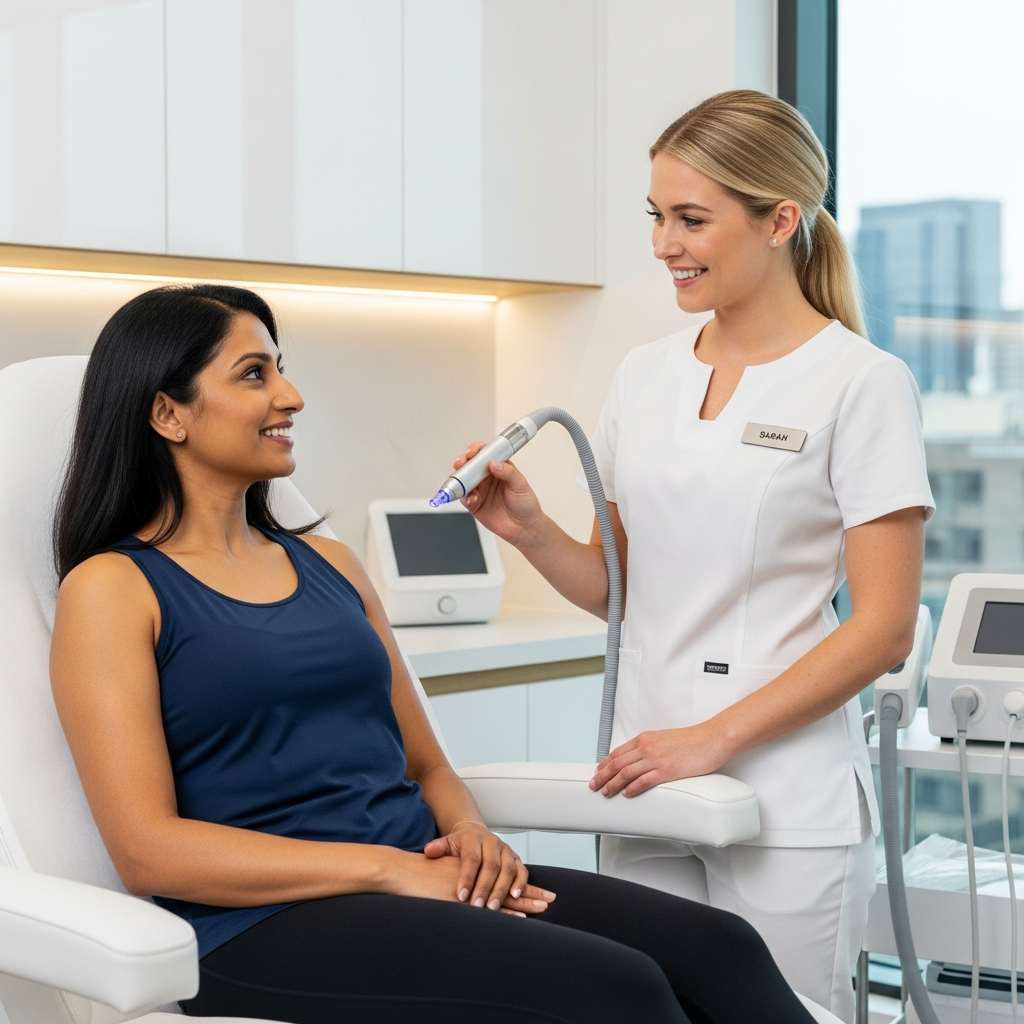
You catch a glimpse of yourself in the rearview mirror while waiting at that endless red light on 27th and Pine, and there it is again – that subtle but undeniable softening around your jawline that wasn’t there a few years ago. Maybe it’s the way your cheeks seem to have… shifted? Or how that confident angle you used to love in photos has somehow become less defined.
If you’re nodding along right now, you’re definitely not alone. Here in Lincoln, more and more people are having these same mirror moments – that realization that while they feel vibrant and energetic inside, their reflection is telling a slightly different story.
The thing is, traditional facelifts feel like… well, a lot. The downtime, the expense, the very real fear of looking “done” or somehow not like yourself anymore. You’ve probably seen those cautionary tales – people who went under the knife hoping to look refreshed but ended up looking stretched or artificial instead. Not exactly what you had in mind when you were dreaming of turning back the clock a bit.
But here’s where things get interesting, and why you’re probably hearing more chatter about something called PDO thread lifts lately. Your coworker mentions it at lunch. Your neighbor brings it up during a casual conversation over the fence. Even that friend who’s usually pretty private about these things has started dropping hints about a “little something” she had done that made such a difference.
PDO thread lifts are having a serious moment right now – especially here in Lincoln where people tend to be pretty practical about their choices. We’re talking about a procedure that promises some of the lifting and tightening benefits of more invasive surgeries, but with significantly less drama involved. No general anesthesia, no weeks of hiding out while you heal, no mortgage-sized medical bills.
Think of it like this: if a traditional facelift is like completely renovating your kitchen, a PDO thread lift is more like strategic updates that give you the biggest bang for your buck. New cabinet hardware, updated lighting, maybe a fresh backsplash – suddenly everything looks more polished and current without the chaos of a full gut job.
The procedure uses these incredibly fine, dissolvable threads (PDO stands for polydioxanone, if you’re curious about the science) that are strategically placed under your skin to create lift and stimulate your body’s natural collagen production. It’s like giving your skin’s support system a little coaching – reminding it how to hold things up the way it used to.
But why is this particular treatment gaining so much traction here in our corner of Nebraska? And more importantly, is it something you should actually consider, or just another beauty trend that’ll be forgotten by next year?
That’s exactly what we need to talk about. Because while PDO thread lifts aren’t magic (nothing is, unfortunately), they are addressing some very real concerns that a lot of us share – wanting to look refreshed and confident without the commitment and risks that come with major surgical procedures.
Over the next few minutes, we’re going to walk through six specific reasons why Lincoln residents are increasingly choosing this option. We’ll talk about the practical stuff – like what the recovery actually looks like and what kind of investment you’re looking at. But we’ll also dig into the emotional side of things… because let’s be honest, the decision to do something about aging isn’t just about vanity. It’s about feeling like the outside matches how vibrant and engaged you feel on the inside.
You’ll learn about the realistic timeline for seeing results (spoiler: it’s not immediate, but it’s not glacially slow either), what makes someone a good candidate, and perhaps most importantly – what red flags to watch for when choosing where to have this done. Because in a growing market, not all providers are created equal.
Whether you’re just curious about what all the fuss is about or you’re seriously considering taking this step, you’ll walk away with a clearer picture of whether PDO thread lifts might be worth exploring for your particular situation. No pressure, no hard sells – just the straight story about what’s really happening in Lincoln’s aesthetic medicine scene and why so many people are saying yes to this particular option.
What Are PDO Threads, Anyway?
Okay, let’s talk about what these mysterious PDO threads actually are – because honestly, when I first heard the term, I pictured some kind of medieval torture device. Turns out, it’s way less dramatic than that.
PDO stands for polydioxanone, which sounds incredibly fancy but is really just a type of material that dissolves safely in your body over time. Think of it like dissolvable stitches, but instead of closing a wound, these threads are strategically placed under your skin to lift and tighten things up. The threads themselves are thinner than your hair – we’re talking seriously tiny here.
Here’s where it gets interesting (and slightly mind-bending): the threads don’t just lift your skin mechanically, like a puppet on strings. They actually trick your body into producing more collagen around them. It’s like your skin gets confused and thinks, “Oh, there’s something new here – better send in the repair crew!” That repair crew happens to be collagen production, which is exactly what we want for firmer, younger-looking skin.
The Science Behind the Magic
Now, I know “collagen stimulation” gets thrown around a lot in beauty conversations, but here’s what’s actually happening… When those PDO threads are inserted (and yes, there are tiny needles involved – more on that in a minute), your body responds like it would to any minor injury. Except this isn’t really an injury – it’s more like a gentle nudge to wake up your skin’s natural repair system.
The threads create what doctors call “controlled tissue damage.” I know, I know – that sounds terrible. But think of it like the way your muscles get stronger after a workout. You’re creating microscopic stress that ultimately makes things better than before.
Different Types for Different Jobs
Here’s where PDO threads get really clever – they’re not all the same. There are smooth threads, which are basically straight lines that help with skin texture and fine lines. Then there are barbed or cog threads, which have these tiny hooks that can actually grab onto tissue and lift it. It’s like the difference between a regular fishing line and one with multiple hooks.
The smooth ones work more like internal scaffolding, supporting your skin from underneath while encouraging collagen growth. The barbed ones? They can literally reposition sagging skin – jowls, droopy cheeks, that sort of thing. Your practitioner (and this is crucial – make sure they know what they’re doing) will choose the right type based on what you’re trying to achieve.
How Long Does This Actually Take?
This might surprise you, but we’re not talking about a major time commitment here. Most PDO thread procedures take somewhere between 30 minutes to an hour, depending on how many areas you’re treating. It’s often called a “lunchtime lift” for a reason – though honestly, you might not want to go straight back to that important meeting looking like you’ve been through a minor battle.
The insertion process involves numbing the area first (thank goodness), then using thin needles to place the threads precisely where they need to go. Some people describe it as feeling like tiny pinches or pressure. Not exactly pleasant, but not the worst thing you’ll ever experience either.
The Reality Check on Results
Okay, let’s be real about expectations here – because this is where things can get a bit confusing. You’ll see some immediate lifting effect right after the procedure, which is pretty satisfying. But here’s the counterintuitive part: those initial results will actually fade somewhat over the next few weeks as swelling goes down and everything settles.
Then – and this is the cool part – the real magic happens over the following months as your collagen production kicks into high gear. It’s like planting a garden… you don’t see the full results immediately, but when they come, they’re often better than what you started with.
The threads themselves dissolve completely within 4-6 months, but the collagen they’ve encouraged your body to produce? That can stick around for 12-18 months or even longer. It’s kind of like having a personal trainer for your face – they don’t need to stick around forever for you to keep the benefits of the workout they put you through.
What to Look for When Choosing Your Provider
Here’s the thing about PDO thread lifts – they’re only as good as the hands performing them. You wouldn’t trust just anyone to cut your hair (well, maybe you would, but you shouldn’t), so definitely don’t trust just anyone to lift your face.
Look for a provider who’s board-certified and has specific training in thread lifts. Ask to see before-and-after photos… and I mean really look at them. Are the results subtle and natural, or do people look like they’ve been pulled by invisible strings? You want the former, obviously.
Here in Lincoln, we’re seeing more and more providers offering threads, but experience matters. A lot. Ask how many procedures they’ve done – if they hesitate or give you a vague answer, keep looking. You want someone who’s done hundreds, not dozens.
The Real Timeline You Should Expect
Forget what you’ve read about “instant results.” Well, actually – don’t forget it entirely, because there are immediate changes. But here’s what actually happens…
Right after the procedure, you’ll see some lift, but you’ll also have swelling. Your face might feel tight, kind of like you’ve been smiling too long at a really boring party. This isn’t the final result – not even close.
The real magic happens over the next 2-3 months as your body starts producing collagen around those threads. It’s like your skin is slowly waking up and remembering how to be firmer. Some people see the best results at the 6-week mark, others not until 3 months. Your body’s timeline isn’t wrong if it’s different from your friend’s.
Pre-Treatment Prep That Actually Matters
Stop taking fish oil and vitamin E about a week before – they increase bruising risk. Same goes for aspirin unless your doctor says otherwise. But here’s something most people don’t tell you: avoid alcohol for 24-48 hours before. Not just because it thins your blood, but because you want to be super hydrated going in.
Get a good night’s sleep the night before. Seriously. Your body heals better when it’s not running on fumes and caffeine. And eat something before you come in – fainting during a cosmetic procedure is nobody’s idea of fun.
Post-Treatment Care (The Make-or-Break Part)
This is where a lot of people mess up. You can’t just get threads and go back to hot yoga the next day. Your face needs time to settle, and those threads need time to anchor properly.
Sleep on your back for at least a week – I know, I know, it’s torture if you’re a side sleeper. Get a travel pillow or wedge pillow to help keep you positioned. Trust me on this one.
No aggressive facial massages, facials, or even enthusiastic face washing for about two weeks. Pat, don’t rub. Think gentle, like you’re handling something precious… because you are.
And here’s something your provider might not emphasize enough: watch your facial expressions. Don’t go crazy with this – you still need to live your life – but maybe avoid that dramatic eye-roll at your teenager for a few days. Wide yawning? Try to catch yourself.
Managing Expectations (The Reality Check)
PDO threads aren’t magic. They’re not going to turn back the clock 20 years or replace a facelift if that’s what you really need. What they will do is give you a subtle lift and gradual skin improvement that looks… well, like you, just refreshed.
Some people get addicted to the immediate gratification and want more threads right away. Resist this urge. Give your first treatment time to fully develop before deciding if you need more. Your provider should be helping you with this patience game, not encouraging you to book your next session before you’ve even healed.
When to Be Concerned vs. When to Relax
A little asymmetry right after treatment? Normal. Some dimpling or puckering for the first few days? Also normal. Your face is adjusting to having foreign objects in it – cut it some slack.
But if you have increasing pain, obvious infection signs, or threads poking through your skin, call your provider immediately. Don’t wait, don’t Google, don’t ask Facebook groups. Call.
The beauty of threads is that most issues resolve on their own as swelling goes down and everything settles. But knowing the difference between normal healing and something that needs attention? That’s peace of mind you can’t put a price on.
The Reality Check: What Actually Trips People Up
Let’s be honest here – PDO thread lifts aren’t all smooth sailing, even though they’re way less dramatic than traditional facelifts. I’ve seen plenty of folks get starry-eyed about the procedure (totally understandable!) only to hit some unexpected bumps along the way.
The biggest shock? That initial swelling. Your face might look like you went three rounds with a particularly aggressive pillow for the first few days. It’s not permanent – not even close – but nobody really prepares you for how puffy things can get. One patient told me she looked like a chipmunk storing nuts for winter, which… wasn’t entirely wrong.
And then there’s the bruising. Some people barely get a shadow, while others look like they’ve been experimenting with purple eyeshadow in all the wrong places. It’s completely random, honestly. Your genetics, how you heal, whether you’ve been taking fish oil supplements (stop those a week before, by the way) – it all plays a role.
The Patience Game – And Why It’s So Hard
Here’s what really gets people: the waiting period. You know those Instagram before-and-after photos that make everything look instant? Yeah, that’s not reality. PDO threads work by stimulating your body’s collagen production, which is basically like asking your skin to remodel itself from the inside out. That takes time – we’re talking months, not days.
The immediate lift you see right after the procedure? That’s just the mechanical effect of the threads. The real magic – the collagen regeneration, the gradual firming, the natural-looking results – that unfolds over 3-6 months. It’s like planting a garden and expecting tomatoes the next day. Your skin is doing important work behind the scenes, but you can’t see it happening.
This waiting game drives people absolutely crazy, especially if they’ve scheduled the procedure before a big event. (Pro tip: don’t do that. Give yourself at least 2-3 months of buffer time.)
Managing Expectations vs. Reality
I think social media has done us all a bit of a disservice here. You see these dramatic transformations, and it’s easy to think that’s what everyone gets. The truth? PDO thread lifts are more like… a really good push-up bra for your face. Supportive, flattering, natural-looking – but not miraculous.
If you’re expecting to look 20 years younger overnight, you’re setting yourself up for disappointment. What you will get is a subtle lift, better skin texture over time, and that “I slept really well for three months straight” glow that people notice but can’t quite put their finger on.
The key is having realistic conversations with your provider beforehand. A good practitioner will show you exactly what’s achievable with your specific skin type, age, and concerns. They should also be upfront about what PDO threads can’t do – they won’t eliminate deep wrinkles, won’t dramatically change your bone structure, and won’t stop the aging process entirely.
The Aftercare Learning Curve
Here’s something nobody talks about enough: the aftercare instructions can feel overwhelming at first. Don’t sleep on your side (easier said than done), avoid vigorous exercise for two weeks, no aggressive facial massage… the list goes on.
But here’s the thing – most of these restrictions are temporary and absolutely worth following. I’ve seen people get antsy and go back to their hot yoga class too early, only to deal with increased swelling and slower healing. Your threads need time to settle into their new positions, and your skin needs space to start that collagen-building process.
The solution? Plan ahead like you’re going on vacation. Stock up on soft pillows to help you sleep more upright, meal prep some easy dinners so you’re not tempted to chew through tough foods, and maybe binge-watch that series you’ve been meaning to catch up on. Think of it as forced relaxation time – which, let’s face it, most of us could use anyway.
The silver lining? Most people find the restrictions aren’t as bad as they initially seemed. You adapt faster than you think, and before you know it, you’re back to your normal routine with fresher, firmer skin to show for it.
What to Expect Right After Your Thread Lift
You’re not going to walk out looking like you just had a full facelift – and that’s actually a good thing. The beauty of PDO threads is in the subtlety. Right after your procedure, you might see some immediate lift (which is pretty exciting), but the real magic happens gradually over the next few months.
Expect some swelling – it’s totally normal and actually shows the threads are doing their job. Think of it like when you start a new workout routine… your muscles need time to adjust and respond. Most people find the swelling peaks around day two or three, then starts settling down. You might also notice some mild bruising, especially if you bruise easily anyway.
Here’s something I always tell my patients – resist the urge to constantly check yourself in the mirror those first few days. I know, I know… it’s tempting. But you’re going to second-guess everything and drive yourself a little crazy. The immediate post-treatment look isn’t your final result.
The Timeline That Actually Matters
Week one? You’re in recovery mode. The threads are settling in, your skin is adjusting, and honestly – you might feel like nothing much happened. Don’t panic. This is completely normal.
By week two to four, you’ll start noticing something… subtle changes. Maybe your jawline looks a little more defined, or that area around your mouth seems smoother. It’s not dramatic – think “refreshed after a great vacation” rather than “completely different person.”
The sweet spot? Two to three months post-treatment. This is when your body has really gotten to work, producing new collagen around those threads. The lift becomes more apparent, and the skin texture improvements are noticeable. Some of my patients say this is when their friends start asking if they’ve been doing something different with their skincare routine.
Full results typically show up around the six-month mark and can last anywhere from 12 to 18 months. Not forever – let’s be honest about that – but definitely long enough to make it worthwhile for most people.
Your Recovery Playbook
The aftercare isn’t complicated, but it matters. For the first week, treat your face gently. No aggressive facial massages (save the spa day for later), avoid sleeping on your side if possible, and definitely skip any intense workouts that get your blood pumping hard.
You can wear makeup after about 24 hours, which is great news for those of you worried about taking time off work. Most people return to their normal routine within a day or two – another reason why thread lifts are so appealing for busy schedules.
One thing that catches people off guard? You might feel the threads for a little while – like tiny bumps under your skin. This goes away as everything settles, but it can be weird at first. Think of it as confirmation that something’s actually happening in there.
Managing Your Expectations (The Real Talk Part)
Look, I’m going to be straight with you – PDO threads aren’t going to take twenty years off your face. If that’s what you’re hoping for, you might want to consider other options. But if you want to look like a refreshed, slightly lifted version of yourself? That’s exactly what threads can deliver.
The results are subtle enough that people won’t immediately know you “had something done,” but noticeable enough that you’ll feel more confident when you catch yourself in the mirror. It’s maintenance, not transformation.
Planning Your Next Steps
Most of our patients love their results so much they want to know when they can do it again. The good news? Touch-ups are totally doable. Some people come back in 12-15 months for a refresh, others wait the full 18 months.
You might also find that threads work beautifully as part of a broader approach to facial rejuvenation. Maybe you’ll add some targeted Botox later, or explore other collagen-stimulating treatments. There’s no rush to decide all that now, though.
The main thing is having realistic expectations and understanding that this is a gradual process. Your skin didn’t change overnight, and the improvements won’t happen overnight either. But for many people in Lincoln who want something effective but not dramatic… well, that’s exactly why thread lifts are having such a moment right now.
You know what I love most about PDO thread lifts? They’re finally giving people what they’ve been asking for all along – results that look natural, recovery that doesn’t derail their entire month, and a price tag that doesn’t require a second mortgage.
It’s funny… five years ago, if someone mentioned thread lifts, most people would’ve looked at you like you were speaking another language. Now? I can barely keep up with the number of folks asking about them here in Lincoln. And honestly, that makes perfect sense when you really think about it.
We’re living in this interesting time where people want to look their best – but they also want to look like *themselves*. Not some filtered, overdone version that screams “I had work done.” Thread lifts hit that sweet spot between doing nothing (and feeling frustrated) and going full surgical facelift (which, let’s be honest, isn’t right for everyone).
What really gets me is how this treatment fits into real life. You’ve got busy professionals, parents juggling seventeen different schedules, people who simply can’t disappear for weeks of recovery. The fact that you can pop in during lunch and be back to your normal routine so quickly? That’s not just convenient – it’s revolutionary.
And here’s something I’ve noticed working with patients… there’s this moment when they first see their results. It’s not dramatic shock or surprise – it’s this gentle recognition. Like they’re seeing a version of themselves they remember from a few years back. Their eyes light up, but in this quiet, confident way. That’s the magic right there.
The technology keeps improving too, which is exciting. The threads themselves are getting better, the techniques are more refined, and practitioners are really understanding how to create the most natural-looking lift possible. It’s like watching any good innovation mature – it just keeps getting better at solving the problems it was designed for.
Now, I’d be lying if I said thread lifts were perfect for everyone. They’re not a miracle cure, and anyone who tells you differently… well, run the other way. But for the right person – someone looking for subtle improvement without major downtime – they can be absolutely transformative.
If you’ve been reading this and thinking, “Hmm, maybe this is something I should consider,” trust that instinct. The worst thing you can do is wonder “what if” for months (or years) when you could just have a conversation about your options.
Here’s what I’d love for you to do: reach out to a qualified practitioner and just… talk. Ask questions. Voice your concerns. A good provider will never pressure you into anything – they’ll help you figure out what makes sense for your goals, your lifestyle, your comfort level.
You deserve to feel confident in your own skin. Whether that means exploring thread lifts or finding a completely different path – that’s okay too. The important thing is taking that first step toward the version of yourself that makes you smile when you catch your reflection.
We’re here when you’re ready to explore what’s possible. No pressure, no rush – just real answers and genuine support for whatever you decide.