
Understanding Perimenopause
What is perimenopause?
Quick answer
Perimenopause is the transition before menopause, when your ovaries gradually make less estrogen and progesterone and hormone levels rise and fall unpredictably. It usually starts in your 40s, lasts about four years on average, and ends with menopause, 12 months in a row without a period.
Because your hormones fluctuate so much, perimenopause can feel confusing. One month brings night sweats and a heavy period; the next feels almost normal. Many women in Lincoln and across Nebraska are told they're "too young" for menopause or that their symptoms are stress. In reality, these changes are common, well understood and very treatable.
At Complete Rural Medicine, perimenopause care is part of our women's health clinic. We combine primary care, hormone expertise and a functional medicine approach so you get relief now and a plan for long-term health.
Signs & Symptoms
Common signs of perimenopause
Perimenopause symptoms vary widely from woman to woman. You may notice one or two, or several at once.
Irregular periods
Cycles that are shorter, longer, heavier, lighter or skipped.
Hot flashes
Sudden waves of heat, flushing and sweating.
Night sweats
Waking up damp or overheated, often several times a night.
Poor sleep
Trouble falling or staying asleep, even when exhausted.
Mood changes
Irritability, anxiety, low mood or feeling "not yourself."
Brain fog
Forgetfulness, trouble focusing or finding words.
Weight changes
Weight gain, especially around the midsection, and muscle loss.
Low libido
Less interest in sex or changes in arousal.
Vaginal dryness
Dryness, irritation or discomfort during intimacy.
Bladder changes
Urgency, more frequent urination or leaking.
Fatigue
Low energy that doesn't improve with rest.
Aches & headaches
Joint aches and new or worsening headaches.
Don't wait on these: very heavy bleeding (soaking a pad or tampon every hour), periods closer than three weeks apart, bleeding after sex, or any bleeding after 12 months without a period should be evaluated promptly. These can have causes other than perimenopause.
Know the Difference
Perimenopause vs. menopause
People often use the words interchangeably, but they're different stages.
| Perimenopause | Menopause & after | |
|---|---|---|
| What it is | The transition years leading up to menopause | The point 12 months after your final period; postmenopause follows |
| Periods | Still happening, but often irregular | Stopped |
| Typical age | Mid-30s to mid-50s, most often the 40s | Early 50s on average |
| Hormones | Estrogen and progesterone swing up and down | Estrogen and progesterone stay low |
| Pregnancy | Still possible, so birth control is still needed | No longer possible |
| Symptoms | Often the most noticeable and unpredictable | Hot flashes may continue for several years; vaginal and bone changes can progress |
Diagnosis
How do you know if you're in perimenopause?
There is no single blood test that confirms perimenopause. Hormone levels like FSH and estrogen change from day to day, so one result can be misleading. Instead, your provider looks at the full picture:
- Your age, symptoms and how they've changed over time
- Your menstrual cycle history (tracking your cycle for a few months helps)
- Lab work to rule out look-alike causes such as thyroid problems, anemia or blood sugar issues
- Your personal and family history, including heart health, breast health and bone health
Because we also practice functional medicine, we look at nutrition, sleep, stress and metabolic health alongside your hormones, since all of them affect how you feel during the transition.
Treatment Options
Perimenopause treatment at Complete Rural Medicine
There's no one-size-fits-all plan. Depending on your symptoms, health history and preferences, your treatment may include one or more of these options:
Hormone therapy
Estrogen (with progesterone if you have a uterus) is the most effective treatment for hot flashes and night sweats and is available as pills, patches, gels and sprays. During perimenopause, low-dose birth control or a hormonal IUD may also steady irregular cycles. For many healthy women under 60 or within 10 years of menopause, the benefits generally outweigh the risks.
Vaginal & bladder care
Low-dose vaginal estrogen and moisturizers relieve dryness, painful intimacy and some urinary symptoms. At our Lincoln clinic, Emsella is a non-invasive option for bladder leakage.
Non-hormonal prescriptions
If hormones aren't right for you, certain antidepressants, gabapentin and newer non-hormonal medications that target hot flashes can reduce symptoms.
Functional medicine & lifestyle
Nutrition, blood sugar balance, gut health, sleep habits, stress support, strength training and targeted supplements. This is a great fit for women who prefer a more natural approach.
Weight & body composition
Hormone changes make it easier to gain fat and lose muscle. Our InBody 570 analysis and medical weight loss program help you protect muscle while losing fat.
What changed with hormone therapy warnings?
In November 2025, the FDA began removing the boxed ("black box") warnings about cardiovascular disease, breast cancer and probable dementia from menopausal hormone therapy labels, and in early 2026 it approved the first updated labels. Many women who were once told hormones were off the table are now revisiting their options.
Hormone therapy still carries risks that depend on your age, health history and the type of therapy you use. We'll review them with you honestly so you can make an informed choice.
What to Expect
Your first perimenopause visit
- Share your story. We review your symptoms, cycle history, health history and goals. Bring a list of your medications and supplements.
- Check what matters. We order labs when helpful to rule out other causes and to understand your overall health.
- Build your plan. Together we choose hormone, non-hormone and lifestyle options that fit your needs, including your preference for a more natural approach.
- Follow up and adjust. We check in after you start treatment and fine-tune your plan as your body changes through the transition.

Your Care Team
Women's health providers in Lincoln and Friend
Our board-certified family nurse practitioners can evaluate and treat perimenopause and menopause symptoms, and they coordinate with OB-GYN specialists when you need one.
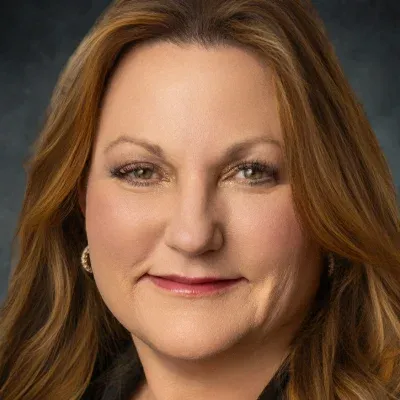
Chantel Collier
MSN, APRN, FNP-CTwo decades of experience with a special interest in women's health.

Ana Taylor
Owner · MSN, APRN, FNP-CFocuses on functional medicine and chronic condition care.
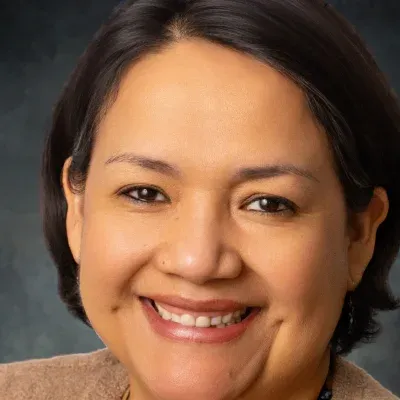
Amparo Fernandez
APRN, MSN, MBA, MPH, FNP-BCBilingual women's hormone care at our Lincoln clinic.
Hablamos español
Tratamiento de la perimenopausia en Lincoln, NE
Amparo Fernandez, enfermera practicante certificada, habla español y ayuda a mujeres con los síntomas de la perimenopausia y la menopausia, como bochornos (sofocos), sudores nocturnos, problemas para dormir y cambios de ánimo. Ofrecemos opciones con y sin hormonas, incluido un enfoque más natural. Si no tiene seguro médico, ofrecemos tarifas de pago directo.
Perimenopause Care Near You
Perimenopause treatment near me in Lincoln & Friend, NE
Looking for a perimenopause provider near you? Complete Rural Medicine sees women from Lincoln, Friend, Crete, Seward, Milford, Dorchester, Exeter, Geneva and across Lancaster and Saline Counties.
Questions & Answers
Perimenopause FAQs
What are the first signs of perimenopause?
The earliest sign is often a change in your menstrual cycle, such as periods that come closer together, further apart, or are heavier or lighter than usual. Sleep problems, night sweats, hot flashes, mood changes and new PMS-like symptoms are also common early signs.
At what age does perimenopause start?
Perimenopause most often begins in your mid-40s, but it can start anywhere from your mid-30s to your mid-50s, roughly 8 to 10 years before menopause.
How long does perimenopause last?
Perimenopause lasts about four years on average, but it can be as short as a few months or last eight years or more. It ends once you've gone 12 consecutive months without a period, which marks menopause.
Is there a test for perimenopause?
No single test confirms perimenopause, because hormone levels change from day to day. Providers diagnose it based on your age, symptoms and cycle history, and may order labs to rule out other causes such as thyroid problems or anemia.
Can you get pregnant during perimenopause?
Yes. As long as you're still having periods, even irregular ones, pregnancy is possible. Use birth control until you've gone 12 months without a period or your provider confirms you no longer need it.
Is hormone therapy safe for perimenopause symptoms?
For many healthy women under 60 or within 10 years of menopause, the benefits of hormone therapy for hot flashes and night sweats generally outweigh the risks. In 2025 and 2026, the FDA began removing boxed warnings about heart disease, breast cancer and dementia from many hormone therapy labels. Risks still depend on your health history, so your provider will review them with you.
What are natural or non-hormonal treatments for perimenopause?
Non-hormonal options include certain antidepressants, gabapentin and newer medications that target hot flashes, plus lifestyle changes such as strength training, better sleep habits, balanced nutrition, limiting alcohol and caffeine, and stress management. Our functional medicine approach can help build a natural plan.
Where can I find perimenopause treatment near me in Lincoln, NE?
Complete Rural Medicine treats perimenopause at 3900 S 6th St, Suite 1, Lincoln, NE 68502 and at 515 2nd St, Friend, NE 68359. Call (402) 267-2645 or request an appointment online.
Do I need a gynecologist or doctor for perimenopause?
Not necessarily. Board-certified family nurse practitioners can diagnose and treat perimenopause, including prescribing hormone therapy. If you have abnormal bleeding or need a procedure, we coordinate with an OB-GYN.
Do you offer perimenopause care in Spanish?
Yes. Amparo Fernandez, APRN, FNP-BC, is fluent in Spanish and sees women for perimenopause and menopause care at our Lincoln clinic.
Does insurance cover perimenopause treatment?
Office visits and many lab tests are often covered by insurance, but coverage for specific medications and services varies by plan. If we're out of network or you're uninsured, we offer self-pay rates. Call us and we'll help you understand your options.
Sources
- Cleveland Clinic: Perimenopause
- Healio: FDA approves revised hormone therapy boxed warning for menopause treatments
- FDA announcement (via BioSpace): FDA approves labeling changes to menopausal hormone therapy products
This page is for education and does not replace medical advice from your own provider.