
The short answer
A PDO thread lift usually causes only mild discomfort, not significant pain. The provider numbs the area with a local anesthetic first, so most people feel pressure or a light tugging as the threads are placed. Afterward, tenderness, mild swelling and bruising are common and usually ease within a few days to a week, often managed with over-the-counter pain relievers.
Key takeaways
- A local anesthetic numbs the area, so most people feel pressure or tugging rather than sharp pain.
- Tenderness, swelling and bruising are common afterward and usually fade within a few days to a week.
- PDO threads are made of an absorbable material that dissolves over several months.
- Results are subtler than a surgical facelift and are not permanent.
- Follow aftercare advice, such as avoiding strenuous exercise and heavy facial pressure for a short time.

If you’re considering a PDO thread lift to rejuvenate your appearance, you’re likely wondering: “Does a PDO thread lift hurt?” At Complete Rural Medicine in Lincoln, NE, our gentle and experienced team is here to ensure your PDO thread lift experience is as comfortable, safe, and rewarding as possible.
So, Does a PDO Thread Lift Hurt?
The short answer is that most people feel only mild discomfort, not significant pain, especially when performed by skilled professionals like the team at Complete Rural Medicine. PDO thread lifts are minimally invasive, and most patients report only mild discomfort rather than pain. To keep you comfortable, a local anesthetic is applied to numb the area before the procedure begins. You might feel slight pressure or a pulling sensation as the threads are inserted, but sharp pain is not typical.
Our gentle approach ensures that your experience is calm, reassuring, and as painless as possible.
What You Might Feel During the Procedure
- Numbing: Before we start, we use a local anesthetic to thoroughly numb the treatment area. This greatly reduces pain during the procedure.
- Pressure or Tightness: As the threads are gently inserted, you may feel a sensation of pressure or mild tugging — a completely normal part of the process.
- Minimal Discomfort: Thanks to modern techniques and our light-handed expertise, most patients find the procedure very tolerable.
At Complete Rural Medicine, your comfort is our top priority. We explain every step before and during your PDO thread lift so you feel confident and at ease.
What About After the Procedure?
Post-procedure, it’s common to experience some tenderness, minor swelling, or mild bruising, which typically resolves within a few days to a week. These effects are usually quite manageable with over-the-counter pain relievers and gentle care.
Many of our patients are pleasantly surprised at how quickly they feel back to normal — and how soon they see noticeable lifting and rejuvenating effects!
Why Choose Complete Rural Medicine for Your PDO Thread Lift in Lincoln, NE?
Choosing the right provider makes all the difference. At Complete Rural Medicine, we specialize in gentle, expert PDO thread lifts designed to refresh your appearance without unnecessary discomfort. Our highly trained team uses the latest techniques to ensure that:
- Your comfort is prioritized at every step.
- Your treatment is planned for a natural-looking result.
- You receive personalized care in a friendly, supportive environment.
We proudly serve the Lincoln, NE community and love helping our patients feel confident and radiant with minimally invasive aesthetic treatments like PDO thread lifts.
Ready to Experience a Gentle PDO Thread Lift?
If you’re ready to lift and rejuvenate your appearance with minimal discomfort and maximum care, trust the compassionate experts at Complete Rural Medicine in Lincoln, NE.
Schedule your consultation today and discover how gentle and transformative a PDO thread lift can be!
What Is a PDO Thread Lift?
PDO stands for polydioxanone, an absorbable material that has been used for surgical stitches for many years. In a thread lift, a provider uses a fine needle or cannula to place thin PDO threads under the skin. Some threads have small barbs or cogs that gently lift and support sagging tissue. Others are smooth and are used mainly to improve skin quality.
Over the next several months, the threads slowly dissolve. As they do, the body responds by building new collagen around them, which can help the skin look firmer. The lift is visible right away, while the collagen effect builds more gradually.
Who Is a Good Candidate?
A PDO thread lift tends to work best for people with mild to moderate sagging, such as early jowls, flattening cheeks or loose skin along the jawline or brow. It can be a good fit for someone who wants a noticeable but subtle change without surgery.
It may not be the right choice if you have significant sagging, since a surgical facelift may give better results. Your provider will also ask about your health history. A thread lift is usually not recommended during pregnancy, with an active skin infection in the area, or with certain bleeding problems or medical conditions that affect healing.
Recovery and Aftercare Tips
Most people return to normal daily activities within a day or two. To help the threads settle and lower the chance of problems, providers commonly suggest that you:
- Use a cold compress for short periods to ease swelling
- Sleep on your back with your head slightly raised for the first several nights
- Avoid rubbing, massaging or pressing on the treated area
- Skip strenuous exercise, saunas and very hot showers for a few days
- Avoid wide mouth opening and dental work for a short time, as your provider advises
- Use over-the-counter pain relievers if needed, as directed
Always follow the specific instructions your provider gives you, since they depend on the area treated and the type of threads used.
When to Call Your Provider
Some soreness, swelling and bruising are normal. Call the clinic if you notice pain that gets worse instead of better, spreading redness, warmth, fever, drainage, a thread poking through the skin, or dimpling that does not improve after the swelling goes down. These are uncommon, but they should be checked.
At Complete Rural Medicine, our nurse practitioners start every thread lift with a consultation to talk about your goals, examine the area and explain what results are realistic. If a thread lift is not the best fit, we may suggest other options, such as tox injections or RF microneedling to improve skin firmness.
Questions & Answers
Frequently asked questions
How long does a PDO thread lift last?
The threads themselves dissolve over about six months, but the lift and the collagen they help stimulate often last longer, commonly around a year or more. How long results last depends on your age, skin quality, the area treated and the type of threads used. Some people choose touch-up treatments to maintain the effect.
What are the risks of a PDO thread lift?
Common side effects are bruising, swelling, tenderness and mild asymmetry, which usually settle on their own. Less common problems include skin dimpling or puckering, a thread that can be felt or pokes through the skin, and infection. Serious complications are rare. Call your provider if you have increasing pain, redness, warmth, fever or drainage.
Is a PDO thread lift better than a facelift?
They serve different needs. A thread lift is a minimally invasive option for mild to moderate sagging, with less downtime and lower cost, but the results are subtler and temporary. A surgical facelift gives a stronger, longer-lasting lift for more significant sagging, with more recovery time. A consultation can help you decide which fits your goals.
Where can I get a PDO thread lift in Lincoln, NE?
Complete Rural Medicine offers PDO thread lifts at its Lincoln clinic, 3900 S 6th St, Suite 1, with nurse practitioner-led care. Your visit starts with a consultation to review your goals and health history. Call (402) 267-2645 to schedule. Se habla español.
Sources & further reading
- Thread Lift Cleveland Clinic
- Thread Lift American Society of Plastic Surgeons
- Face-lift Mayo Clinic
Your Providers
Talk with a Complete Rural Medicine provider
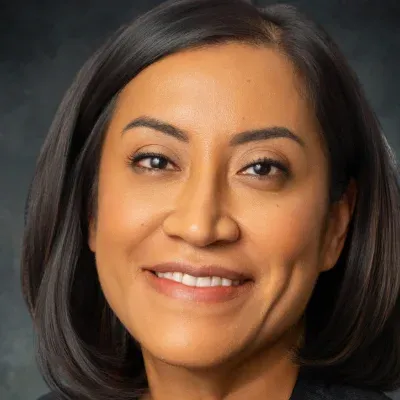
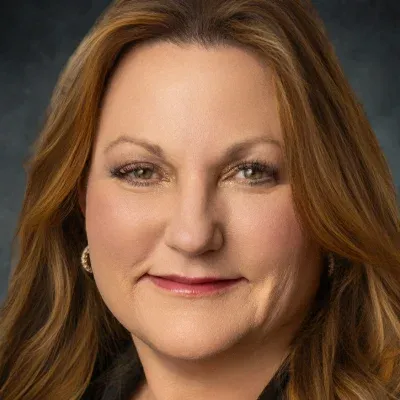
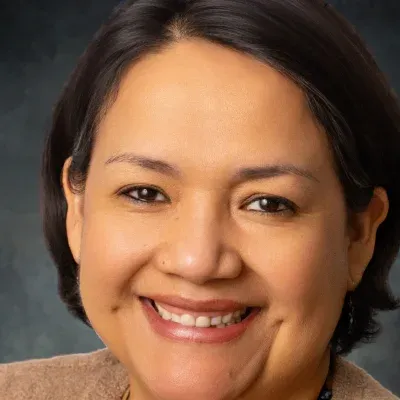
Complete Rural Medicine has clinics at 3900 S 6th St, Suite 1, Lincoln, NE 68502 ((402) 267-2645) and 515 2nd St, Friend, NE 68359 ((308) 646-2471).