
The short answer
Medical weight loss is a weight loss program supervised by a licensed healthcare provider. It starts with a health evaluation and may include lab testing, a personalized nutrition and activity plan, behavior coaching and, when appropriate, prescription medications such as GLP-1 medicines. Regular check-ins let your provider track progress, manage side effects and adjust the plan so weight loss is safe and sustainable.
Key takeaways
- Medical weight loss is supervised by licensed providers, such as physicians or nurse practitioners, who tailor the plan to your health.
- Programs usually combine a health evaluation, nutrition guidance, lifestyle coaching and regular follow-up visits.
- Lab testing can look for issues like thyroid problems or insulin resistance that affect weight.
- Prescription medications, including GLP-1 medicines, may be added when they are appropriate and safe for you.
- Losing even 5 to 10 percent of body weight can improve blood pressure, blood sugar and cholesterol.
A Science-Backed Approach to Lasting Results
Presented by Complete Rural Medicine in Lincoln, Nebraska
When it comes to achieving and maintaining a healthy weight, fad diets and quick fixes often lead to frustration and disappointment. Medical weight loss, on the other hand, takes a scientific and personalized approach—helping you lose weight safely, effectively, and sustainably under the supervision of a healthcare professional.
Understanding Medical Weight Loss
Medical weight loss is a clinically supervised program designed to help individuals reach and maintain their ideal weight through evidence-based methods. Unlike commercial diet plans, medical weight loss programs are customized for your unique body composition, metabolism, and health goals.
These programs are typically led by licensed medical professionals—such as physicians, nurse practitioners, and weight management specialists—who monitor your progress and make ongoing adjustments to ensure optimal results.
At its core, medical weight loss is about more than just shedding pounds; it’s about improving overall health, reducing the risk of chronic diseases, and promoting long-term wellness.
What’s Included in a Medical Weight Loss Program?
While each program varies depending on your health and goals, most medical weight loss plans include some combination of the following:
- Comprehensive health evaluation: A medical provider assesses your overall health, medical history, and current medications to identify any underlying issues that may affect weight management.
- Customized nutrition plans: You’ll receive tailored meal and nutrition guidance designed to promote fat loss while maintaining muscle and energy levels.
- Metabolic and hormone testing: Identifying metabolic imbalances or hormonal issues (like thyroid dysfunction or insulin resistance) helps guide treatment.
- Prescription medications (if appropriate): Under medical supervision, FDA-approved weight loss medications such as GLP-1 agonists may be prescribed to support appetite control and metabolic function.
- Behavioral and lifestyle coaching: Long-term success often requires addressing habits, sleep, stress, and other lifestyle factors that impact weight.
- Ongoing monitoring and support: Regular check-ins with your medical provider help ensure accountability and safe, consistent progress.
Benefits of Medical Weight Loss
Choosing a medically supervised approach offers several distinct advantages:
✅ Safety First: Every step of your plan is monitored by healthcare professionals who ensure your health remains the top priority. ✅ Personalized Care: No two bodies are the same—your program is tailored to your unique physiology and goals. ✅ Sustainable Results: Medical programs focus on long-term success rather than temporary fixes. ✅ Comprehensive Health Improvements: Many patients experience better blood pressure, cholesterol, energy levels, and mood as they lose weight.
Medical Weight Loss at Complete Rural Medicine in Lincoln, Nebraska
At Complete Rural Medicine, we take pride in helping our patients achieve real, lasting results through our medical weight loss programs. Led by experienced healthcare professionals, our approach combines clinical expertise, compassionate care, and modern treatments to help you become the healthiest version of yourself.
Whether you’re looking to lose a few pounds or make a major transformation, our team offers:
- Personalized weight loss plans designed for your body and lifestyle
- Safe, evidence-based treatments including prescription options when appropriate
- One-on-one guidance and accountability every step of the way
We don’t believe in “one-size-fits-all” solutions—our mission is to help you find what works for you and support you through every milestone.
Start Your Journey to Better Health Today
If you’ve struggled with weight loss on your own, it may be time to try a medically guided approach that works. Complete Rural Medicine in Lincoln, Nebraska, is here to help you take control of your health, regain your confidence, and feel your best again.
📍 Schedule your consultation today and discover how medical weight loss can help you achieve lasting results—safely and effectively.
Who Is a Good Candidate for Medical Weight Loss?
Medical weight loss can help anyone who has struggled to lose weight on their own, but it is especially helpful if extra weight is affecting your health. Prescription weight loss medications are generally meant for adults with a body mass index (BMI) of 30 or higher, or 27 or higher with a weight-related condition such as high blood pressure, type 2 diabetes, high cholesterol or sleep apnea. If you do not meet those criteria, a supervised nutrition and lifestyle plan can still help.
Medical weight loss may not be right during pregnancy or while trying to become pregnant, and some medications are not safe with certain health histories. That is why every plan starts with a full review of your health, medications and goals.
Medications That May Be Part of a Plan
Medication is a tool, not a requirement. When it makes sense, your provider may discuss options such as:
- GLP-1 based medications, such as semaglutide (the brand Wegovy) and tirzepatide (the brand Zepbound), which are FDA-approved for chronic weight management. They help you feel full sooner and reduce cravings.
- Older oral medications, such as phentermine or naltrexone-bupropion, which may suit some people.
Doses usually start low and increase slowly so your body can adjust. Medication works best alongside changes in eating, activity and sleep.
Side Effects and Safety
The most common side effects of GLP-1 medications are nausea, vomiting, diarrhea, constipation and stomach discomfort, especially when starting or raising a dose. These often ease over time. Rare but serious risks include pancreatitis, gallbladder problems and low blood sugar in people who also take certain diabetes medicines. GLP-1 medications are not used in people with a personal or family history of medullary thyroid cancer or multiple endocrine neoplasia type 2.
Call your provider if you have severe stomach pain, ongoing vomiting or signs of dehydration. Regular follow-up visits are part of what makes medical weight loss safer than trying medications on your own.
What to Expect Over the First Few Months
- First visit: a review of your history, medications, weight history and goals, plus vital signs and often lab work.
- Your plan: practical nutrition and activity goals that fit your schedule, and medication if appropriate.
- Follow-up visits: regular check-ins to track progress, adjust doses and solve problems as they come up.
- Tracking more than the scale: body composition, waist size, blood pressure and lab results all show progress. Complete Rural Medicine also offers InBody 570 body composition scans to see changes in muscle and fat.
A safe pace for most people is about 1 to 2 pounds per week, though it can be faster at first. Our nurse practitioners in Lincoln and Friend focus on steady progress you can keep.
Questions & Answers
Frequently asked questions
How much weight can you lose with medical weight loss?
It varies. Lifestyle changes alone often lead to a loss of about 5 to 10 percent of body weight, which already improves many health measures. In large clinical trials, people taking newer GLP-1 based medications along with lifestyle changes lost about 15 to 20 percent of their body weight on average over roughly a year and a half. Your results depend on your health, medication and habits.
What happens if you stop weight loss medication?
Many people regain some weight after stopping weight loss medication, because appetite and metabolism tend to return to how they were. That is why medical weight loss also focuses on nutrition, activity, sleep and habits you can keep. Some people stay on medication long term, while others taper off with a maintenance plan. Talk with your provider before stopping any prescription.
Is medical weight loss covered by insurance?
Coverage varies widely by plan. Office visits and lab work are sometimes covered, while weight loss medications may or may not be, and some plans require prior approval or proof of certain health conditions. Call your insurance company and ask about both visits and specific medications, and ask the clinic about self-pay options before you start.
Where can I get medical weight loss in Lincoln or Friend, NE?
Complete Rural Medicine offers medical weight loss in Lincoln and Friend, led by board-certified family nurse practitioners. Plans start with a health review and are adjusted at follow-up visits. Call Lincoln at (402) 267-2645 or Friend at (308) 646-2471. Se habla español in Lincoln.
Sources & further reading
Your Providers
Talk with a Complete Rural Medicine provider

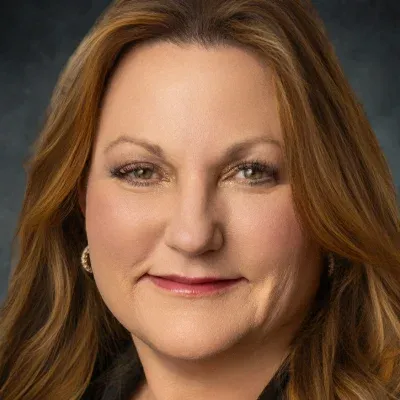
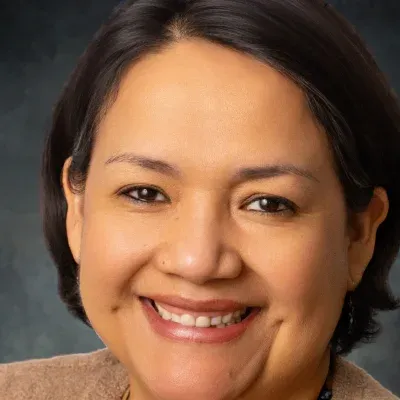
Complete Rural Medicine has clinics at 3900 S 6th St, Suite 1, Lincoln, NE 68502 ((402) 267-2645) and 515 2nd St, Friend, NE 68359 ((308) 646-2471).