
The short answer
Your hormones may be out of balance if you have ongoing symptoms like fatigue, weight changes, mood swings, low libido, irregular periods, hot flashes or erectile problems. The only way to know is an evaluation with a provider, usually including blood tests for hormones such as thyroid, estrogen, progesterone or testosterone. Treatment depends on the cause and may include lifestyle changes or hormone therapy.
Key takeaways
- Hormones help regulate metabolism, mood, reproduction and energy, so an imbalance can cause wide-ranging symptoms.
- Women may notice irregular periods, hot flashes, night sweats, vaginal dryness or mood swings.
- Men may notice lower muscle mass, erectile dysfunction, fatigue or irritability.
- Blood tests for thyroid and sex hormones, along with your history, help find the cause.
- Treatment plans may combine hormone therapy, lifestyle changes, nutrition support and stress management.

Understanding Hormone Imbalance
Hormones play a vital role in regulating numerous functions within our bodies, including metabolism, mood, reproduction, and energy levels. When hormone levels become imbalanced, it can lead to a wide range of symptoms that affect both men and women.
For women, hormone imbalance may manifest as irregular periods, hot flashes, night sweats, vaginal dryness, or mood swings. Men may experience symptoms such as decreased muscle mass, erectile dysfunction, fatigue, and irritability. These symptoms can significantly impact quality of life and overall well-being.
The Importance of Testing
If you suspect that hormone imbalance may be contributing to your symptoms, it’s essential to undergo comprehensive testing to determine your hormone levels accurately. This testing usually involves blood tests to measure key hormones such as estrogen, progesterone, testosterone and thyroid hormones, and sometimes cortisol. Saliva hormone tests are sometimes marketed, but major medical groups do not consider them reliable for guiding treatment.
How Complete Rural Medicine Can Help
At our functional medicine clinic, we specialize in providing personalized care tailored to each patient’s unique needs. Our experienced practitioners take a holistic approach to hormone imbalances, addressing not just symptoms but also underlying factors that may be contributing to your health concerns.
Through advanced diagnostic testing and a thorough evaluation of your medical history and lifestyle factors, we can identify areas of hormone imbalance and develop a customized treatment plan to restore balance and vitality to your life.
Our personalized plans may include hormone therapy, lifestyle modifications, nutritional support, and stress management techniques. We prioritize patient education and empowerment, ensuring that you understand your treatment options and feel confident in your journey towards optimal health and wellness.
Think you Might Need to Get your Hormones Checked?
If you’re struggling with symptoms of hormone imbalance, an evaluation can show whether hormone therapy, lifestyle changes or another treatment makes the most sense for you. Our team of dedicated practitioners is here to guide you every step of the way, providing compassionate care and personalized support to help you feel your best.
Don’t let hormone imbalance hold you back from living life to the fullest. Schedule a consultation with our clinic today and take the first step towards reclaiming your vitality and well-being with hormone therapy. Your journey to a happier, healthier you starts here.
Get Care in Lincoln and Friend, Nebraska
Why settle for fleeting solutions that merely cover up the issue? Seize control of your health and embark on a journey towards genuine wellness with our functional medicine approach. Schedule an appointment with our caring and experienced team today, and begin your path to a healthier, happier you. Your body will be grateful for the transformation.
Common Causes of Hormone Imbalance
Hormone changes are a normal part of life, but some changes cause symptoms that are worth checking. Common causes include:
- Perimenopause and menopause: estrogen and progesterone shift in the years before and after periods stop, often causing hot flashes, sleep problems and mood changes.
- Thyroid disorders: an underactive or overactive thyroid can affect energy, weight, mood, heart rate and periods.
- Low testosterone: levels drop gradually with age in men, and some medical conditions and medications can lower them further.
- Polycystic ovary syndrome (PCOS): a common condition that can cause irregular periods, acne, extra hair growth and weight gain.
- Pregnancy and the postpartum period: big hormone shifts can affect mood, sleep and thyroid function.
- Lifestyle and other factors: poor sleep, ongoing stress, significant weight change, some medications and certain medical conditions can all play a role.
When to See a Provider
Make an appointment if symptoms last more than a few weeks or affect your work, sleep, relationships or quality of life. Examples include periods that become very irregular or heavy, hot flashes that disrupt sleep, ongoing fatigue, low sex drive, erectile problems or mood changes you cannot explain.
Get care right away for bleeding after menopause, very heavy bleeding, chest pain, a racing heartbeat, fainting or thoughts of harming yourself. These need prompt medical attention.
What Hormone Therapy Involves
Hormone therapy is not right for everyone, and it works best when the plan fits your symptoms, health history and goals. For women in perimenopause or menopause, hormone therapy can ease hot flashes, night sweats and vaginal dryness. For men with confirmed low testosterone and symptoms, testosterone therapy may help with energy, libido and muscle mass.
Like any medication, hormone therapy has possible risks, such as blood clots, effects on the heart or breast tissue for some women, and changes in red blood cell counts for men on testosterone. That is why your provider reviews your personal and family history, starts with the lowest dose that helps, and checks in with follow-up visits and labs. Many people also benefit from changes to sleep, exercise, nutrition and stress management, with or without medication.
What to Expect at Complete Rural Medicine
Your first visit starts with a conversation about your symptoms, health history, medications and goals. Your nurse practitioner may order lab work and will explain what the results mean in plain language. From there, you work together on a plan, which may include lifestyle changes, nutrition support, hormone therapy or referral to a specialist when needed.
Women in their 40s and 50s can learn more about perimenopause treatment, and men can learn more through our men's health clinic. We see patients at our Lincoln and Friend clinics.
Questions & Answers
Frequently asked questions
What are the signs of hormone imbalance in women?
Common signs include irregular or heavy periods, hot flashes, night sweats, trouble sleeping, vaginal dryness, low sex drive, mood changes, brain fog, weight gain and fatigue. Many of these are linked to perimenopause and menopause, but thyroid problems, polycystic ovary syndrome, pregnancy, the postpartum period and some medications can cause similar symptoms. A provider visit helps sort out the cause.
What are the signs of low testosterone in men?
Low testosterone can cause low sex drive, erectile problems, fatigue, loss of muscle mass, increased body fat, low mood and trouble concentrating. These symptoms overlap with other conditions like sleep apnea, depression and thyroid problems. Diagnosis usually requires blood tests taken in the morning, often on two separate days, along with a review of your symptoms.
Can a blood test show a hormone imbalance?
Yes, blood tests are the standard way to measure most hormones, including thyroid hormones, testosterone, estrogen and progesterone. Timing matters, since some hormones change through the day or the menstrual cycle. Results are read alongside your symptoms, because normal ranges are wide and a single number does not tell the whole story. Saliva hormone tests are generally not considered reliable for guiding treatment.
Where can I get my hormones checked in Lincoln or Friend, NE?
Complete Rural Medicine offers hormone evaluations at both clinics, led by board-certified family nurse practitioners. Women can start with our women's health clinic. Call the Lincoln clinic at (402) 267-2645 or the Friend clinic at (308) 646-2471 to schedule. Se habla español in Lincoln.
Sources & further reading
- Hormonal Imbalance Cleveland Clinic
- Hormones MedlinePlus
- Menopause MedlinePlus
- Hypogonadism MedlinePlus
Your Providers
Talk with a Complete Rural Medicine provider

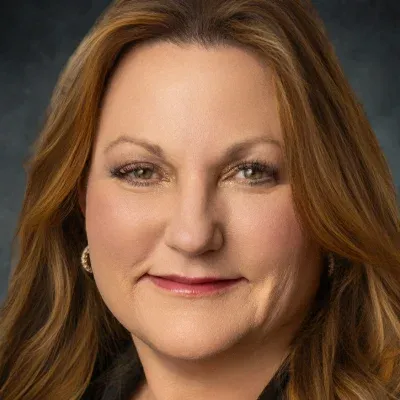
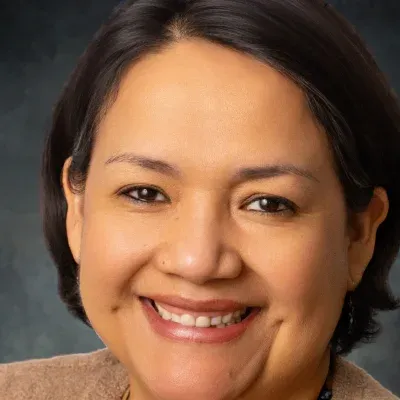
Complete Rural Medicine has clinics at 3900 S 6th St, Suite 1, Lincoln, NE 68502 ((402) 267-2645) and 515 2nd St, Friend, NE 68359 ((308) 646-2471).